Gil Scott-Heron: A Life of Poetry, Music, and Social Commentary
Gil Scott-Heron remains one of the most influential and difficult-to-categorize figures in modern American culture. A poet, novelist, musician, songwriter, social critic, and performer, he created a body of work that challenged audiences to think more deeply about politics, race, poverty, media, and human dignity.
Although many people know him through the often-quoted description as the “godfather of rap,” that label captures only a small part of his significance. Scott-Heron was a unique artistic voice whose work bridged literature, jazz, blues, soul, and spoken-word performance while offering some of the sharpest social commentary of the twentieth century.
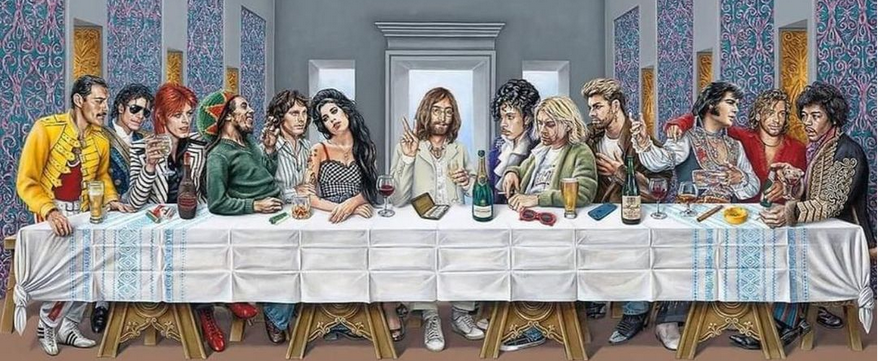
His death came after complications following an infection, ending a career that had spanned more than four decades. Yet his influence has only grown since then. Artists across genres continue to cite him as an inspiration, while his observations about inequality, media manipulation, and social justice remain strikingly relevant. To understand Gil Scott-Heron is to understand an artist who consistently sought truth, challenged complacency, and used creativity as a tool for social awareness.
Early Life and Childhood
Gil Scott-Heron was born on April 1, 1949, in Chicago, Illinois, and entered a world marked by both opportunity and profound social divisions. His mother, Bobbie Scott, was a librarian, and his father, Gil Heron, was a Jamaican football player who became one of the first Black athletes to play for Celtic football club in Scotland. After his parents separated, Scott-Heron spent much of his childhood with his grandmother in Jackson, Tennessee. The experience of growing up in the segregated South exposed him early to racial injustice and social inequality, themes that would later become central to his work.
When his grandmother died, Scott-Heron moved to New York City to live with his mother. The transition from the South to Harlem broadened his perspective and immersed him in a vibrant cultural environment. Harlem was a center of Black intellectual and artistic life, and the young Scott-Heron absorbed influences from literature, music, and political activism. He developed a love of reading and writing, discovering the power of language to illuminate social realities.
Education and Literary Beginnings
Gil Scott-Heron attended the prestigious Fieldston School, where he was one of the few Black students. The experience sharpened his awareness of racial and class differences. He later enrolled at Lincoln University in Pennsylvania, a historically Black university with a distinguished tradition of producing influential thinkers and leaders. There he met Brian Jackson, a musician who would become one of his most important collaborators. Their partnership would help shape some of the most memorable recordings of the 1970s.
Before achieving fame as a musician, Scott-Heron established himself as a writer. In 1970, he published his first novel, The Vulture. Written while he was still a teenager, the book explored crime, urban life, and social conditions in Harlem. It demonstrated his literary ambition and his determination to portray the realities of Black life without romanticism or simplification.
A second novel, The Nigger Factory, followed in 1972. Set on a university campus, it examined race, power, student activism, and institutional politics. The novel reflected the social turbulence of the era and showcased Scott-Heron’s growing confidence as a political observer.
The Revolution Will Not Be Televised
It was through spoken-word recordings and music that Gil Scott-Heron reached his widest audience. In 1970, he released Small Talk at 125th and Lenox, a groundbreaking album that combined poetry and commentary with sparse musical accompaniment. The record featured one of his most famous works, “The Revolution Will Not Be Televised.”
The piece became an enduring cultural landmark. Rather than describing a literal revolution, Scott-Heron critiqued consumer culture, mass media, and passive spectatorship. He argued that genuine social change could not be reduced to television images or advertising slogans. The work’s rapid-fire references, rhythmic delivery, and political urgency made it a powerful statement and a precursor to later forms of hip-hop expression.
“The Revolution Will Not Be Televised” emerged during a period of intense political and social upheaval in the United States. The civil rights movement had transformed the nation, but many of its promises remained unfulfilled. Urban unrest, economic inequality, and opposition to the Vietnam War fueled widespread dissatisfaction. Scott-Heron’s work captured the frustrations and aspirations of the era while urging listeners to become active participants in social change rather than passive consumers of media narratives.
.
Partnership with Brian Jackson
Throughout the 1970s, Scott-Heron and Brian Jackson produced a remarkable series of albums that blended jazz, soul, funk, and poetry. These recordings included Pieces of a Man (1971), Winter in America (1974), From South Africa to South Carolina (1975), and Bridges (1977). Their music was sophisticated yet accessible, combining memorable melodies with incisive social commentary.
One of Gil Scott-Heron’s greatest strengths was his ability to address political issues without sacrificing artistic quality. Songs such as “Johannesburg” highlighted the struggle against apartheid in South Africa, bringing international issues to American audiences. “Winter in America” offered a haunting reflection on national disillusionment following the political crises of the early 1970s. “Home Is Where the Hatred Is” examined addiction with honesty and compassion, while “The Bottle” portrayed alcoholism and social despair through an infectious groove that contrasted sharply with its serious subject matter.
Themes and Artistic Style
Gil Scott-Heron’s writing often balanced anger with empathy. He was capable of delivering fierce critiques of political institutions, but he also focused on the human consequences of injustice. His songs explored the lives of people struggling with poverty, addiction, discrimination, and alienation. Rather than treating these individuals as statistics or symbols, he presented them as complex human beings deserving of understanding and respect.
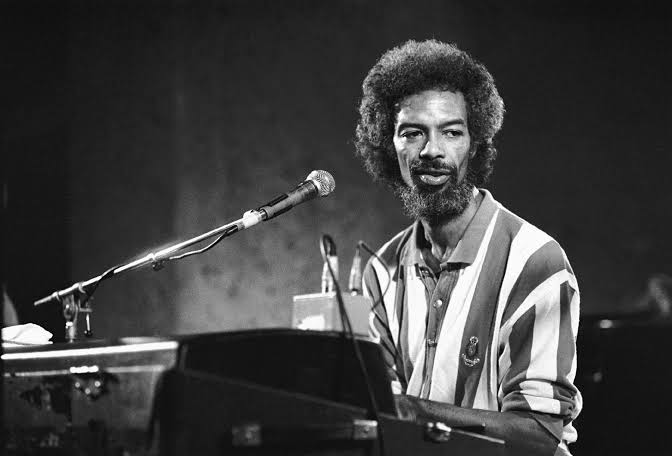
His performances were equally compelling. Scott-Heron possessed a distinctive voice, warm, conversational, and authoritative. He could move effortlessly between singing and spoken-word delivery, creating a style that felt intimate yet urgent. Audiences often felt that he was speaking directly to them, challenging them to reconsider assumptions and confront uncomfortable truths.
Influence on Hip-Hop
As hip-hop emerged during the late 1970s and early 1980s, many observers recognized parallels between Gil Scott-Heron’s work and the new genre. His rhythmic spoken-word delivery, social commentary, and emphasis on storytelling anticipated important elements of rap music. However, Scott-Heron himself was cautious about being labeled a rapper. He viewed his work as part of a broader Black artistic tradition that included blues, jazz, poetry, and political oratory. While he appreciated hip-hop’s potential, he often emphasized that his artistic roots lay elsewhere.
Nevertheless, countless hip-hop artists acknowledged his influence. His recordings were sampled extensively, and his approach to socially conscious lyrics helped shape generations of musicians. Artists ranging from Public Enemy and Common to Mos Def, Talib Kweli, and Kendrick Lamar have drawn inspiration from the path he helped establish. His impact extended beyond hip-hop into jazz, soul, spoken-word performance, and contemporary literature.
Challenges and Personal Struggles
The 1980s brought new challenges. Gil Scott-Heron continued recording and performing, releasing albums such as Reflections and Moving Target. His songs addressed issues including the Reagan administration, nuclear weapons, economic inequality, and international politics. Yet changing musical trends and industry pressures made it more difficult for politically engaged artists to achieve mainstream visibility.
Personal struggles also affected his career. Scott-Heron battled substance abuse for many years, and these difficulties sometimes disrupted his professional life. He faced legal problems and periods of incarceration. These experiences were painful and often public, but they also informed his understanding of vulnerability and resilience.
Unlike many public figures, Scott-Heron rarely attempted to present himself as flawless. His work frequently acknowledged human weakness and the complicated realities of personal struggle.
A Remarkable Return
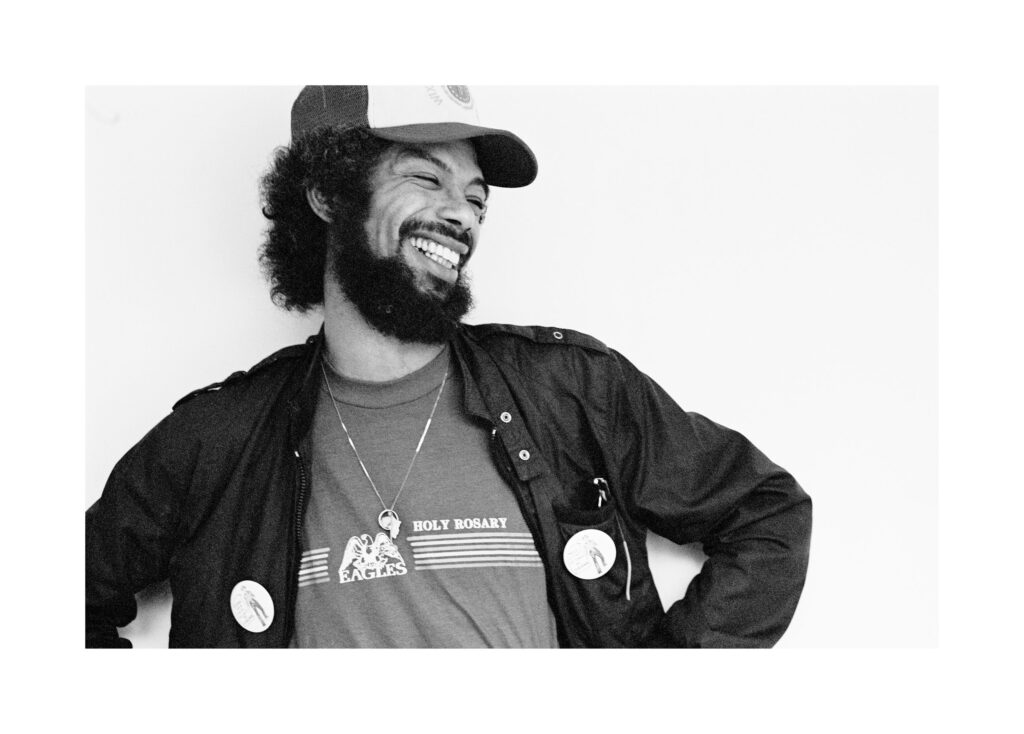
Despite these challenges, he never lost his ability to communicate profound insights. Even during difficult periods, he remained a respected voice whose observations carried weight because they were rooted in lived experience. His honesty about addiction, disappointment, and failure added depth to his artistic legacy.
A remarkable late-career resurgence arrived in 2010 with the release of I’m New Here, his first studio album in many years. The record was unlike anything else being produced at the time. Sparse, atmospheric, and deeply reflective, it featured meditations on aging, mortality, regret, and survival.
Gil Scott-Heron’s voice, weathered by time and experience, conveyed vulnerability as well as wisdom. The album received widespread critical acclaim and introduced him to a new generation of listeners.
I’m New Here felt less like a comeback than a personal reckoning. The record confronted the passage of time without sentimentality. It acknowledged mistakes while refusing self-pity. Many listeners found it profoundly moving because it revealed an artist willing to examine his own life with the same honesty he had long applied to society.
Death and Legacy
Not long after the album’s release, Gil Scott-Heron’s health began to decline. Following a trip to Europe, reports emerged that he had been dealing with serious medical issues.
Gil Scott-Heron died on May 27, 2011, at St. Luke’s Hospital in New York City at the age of 62. The cause was complications following an infection.
For many people, Scott-Heron represented the possibility that art could be intellectually rigorous, emotionally powerful, and socially meaningful all at once.
Enduring Influence
In the years since his death, interest in his work has continued to grow. New audiences have discovered his recordings, books, interviews, and performances. Academic scholars study his contributions to literature, music, and Black political thought. Musicians continue to sample, reinterpret, and reference his work. His observations about economic injustice, racial inequality, media influence, and political accountability remain strikingly applicable to contemporary debates.
Part of Scott-Heron’s enduring appeal lies in his refusal to separate art from social reality. He believed that creative expression carried responsibilities as well as opportunities. Yet he never reduced art to propaganda. His best work succeeded because it combined political awareness with emotional depth, humor, irony, and humanity.
He understood that effective social criticism requires more than slogans, it requires insight into how people actually live, struggle, and hope.
Conclusion
Gil Scott-Heron’s legacy cannot be measured solely by record sales, chart positions, or awards. His significance lies in the conversations he started, the artists he inspired, and the truths he articulated. He challenged listeners to pay attention, to politics, to history, to injustice, and to one another. He demonstrated that poetry could exist beyond the printed page and that music could serve as a vehicle for intellectual engagement as well as entertainment.
More than a decade after his death, his voice continues to resonate. Whether heard through “The Revolution Will Not Be Televised,” “Winter in America,” “The Bottle,” or the introspective reflections of I’m New Here, Scott-Heron remains a powerful presence in American culture. His work reminds us that art can question, provoke, educate, and inspire. It can expose uncomfortable realities while also affirming human resilience.
Gil Scott-Heron lived a complex life marked by extraordinary creativity, personal struggles, and unwavering commitment to speaking truth as he saw it. His death on May 27, 2011, closed an important chapter in American cultural history, but it did not end his influence. Through his words, music, and ideas, he continues to challenge audiences to think critically about the world around them and their place within it. That enduring relevance is perhaps the clearest measure of his achievement and the reason his legacy remains so vital today.
Check out Gil Scott-Heron on Amazon by clicking here.
If you found this interesting please share it with your friends and family, and check out some of our other articles on Musicians who Died in 2011.
.
