Dexter Wansel: The Cosmic Architect of Philadelphia Soul
Few musicians have had as broad an impact on modern Black music as Dexter Wansel. Although his name is less widely recognized than some of the artists he worked with, his influence stretches across soul, jazz-funk, disco, neo-soul, and hip-hop.
As a composer, arranger, producer, keyboardist, synthesizer pioneer, and executive at Philadelphia International Records, Wansel helped define the sound of Philadelphia music in the 1970s and beyond. His futuristic compositions, rich orchestration, and early embrace of synthesizer technology earned him a unique place in music history.
Early Life and Musical Beginnings
Dexter Wansel was born Dexter Gilman Wansel on August 22, 1950, in Philadelphia, Pennsylvania. His musical education began unusually early. As a young teenager, he worked backstage at Philadelphia’s famous Uptown Theater, where his step-uncle, Georgie Woods, was involved in promoting concerts. This position gave Wansel direct exposure to major performers of the era and provided an informal but invaluable musical apprenticeship.
The Uptown Theater was one of the most important venues on the East Coast’s Black music circuit. There, Wansel observed legendary performers and learned firsthand about showmanship, arranging, and performance. During his school years, he also played music alongside future jazz superstar Stanley Clarke, demonstrating the remarkable concentration of musical talent emerging from Philadelphia at the time.
Following military service during the Vietnam-era period, Dexter Wansel returned to Philadelphia and immersed himself in studio work. He became fascinated by emerging electronic instruments, particularly synthesizers, at a time when many musicians still viewed them as novelties. This curiosity would become one of the defining features of his career.
A Pioneer of Synthesizer Music
One of Dexter Wansel’s most significant contributions to music was his early mastery of synthesizers. During the early 1970s, he programmed instruments such as the EMS VCS 3 and the ARP 2600 at Sigma Sound Studios in Philadelphia. These were sophisticated electronic instruments for their time, capable of producing sounds that traditional keyboards and orchestras could not.
While electronic music pioneers were exploring synthesizers in classical and experimental contexts, Wansel integrated them into soul, funk, and R&B. He helped demonstrate that synthesizers could enhance rather than replace the emotional depth of Black popular music.
His use of synthesizers was never merely technical. Dexter Wansel employed electronic textures to create atmosphere, particularly drawing inspiration from science fiction, astronomy, and space exploration. This fascination with cosmic themes became a recurring element throughout his work.
Philadelphia International Records
Dexter Wansel‘s career reached a new level when he joined Philadelphia International Records, the legendary label founded by Kenneth Gamble and Leon Huff. The label was the home of the “Philly Soul” sound, characterized by lush strings, sophisticated arrangements, and powerful rhythms.
At Philadelphia International Records, Wansel served as an in-house songwriter, producer, arranger, and keyboardist. He developed a particularly productive songwriting partnership with lyricist Cynthia Biggs. Together they created numerous songs that became staples of soul and R&B music.
His role at the label extended far beyond writing songs. Wansel helped shape recordings from conception to completion, contributing arrangements, synthesizer programming, orchestration, and production expertise. This made him one of the central creative forces behind the label’s success during its peak years.
Between 1978 and 1980, Dexter Wansel also served as A&R Director, overseeing releases and helping guide artistic development across the roster.
Life on Mars: A Landmark Album
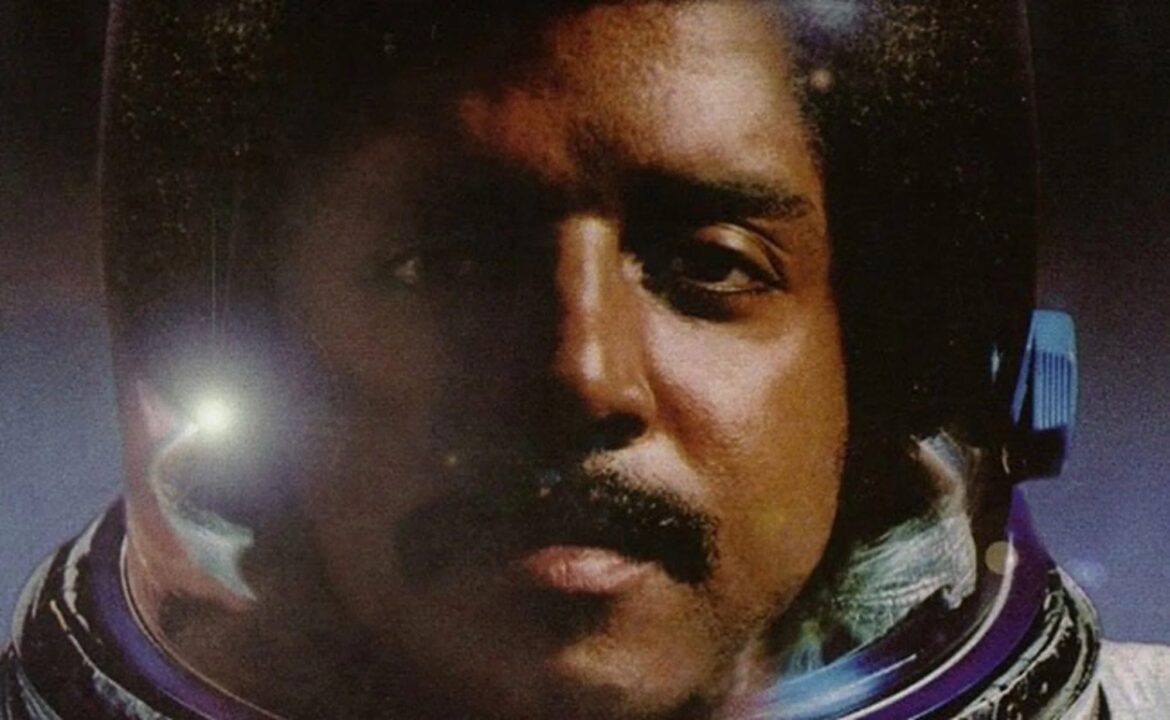
Dexter Wansel’s most celebrated solo work is undoubtedly the 1976 album Life on Mars. The album has become a cult classic and is widely regarded as one of the greatest jazz-funk recordings ever made.
The record combined jazz improvisation, funk rhythms, orchestral arrangements, and futuristic synthesizer sounds into a remarkably cohesive whole. Tracks such as “Life on Mars” and “Theme from the Planets” demonstrated Wansel’s ability to create music that felt both deeply rooted in Black musical traditions and boldly futuristic.
.
Decades after its release, the album continues to attract new listeners. Music critics, collectors, and fans regularly praise its combination of cosmic themes and groove-oriented musicianship.
The album’s enduring appeal is reflected in its influence on later artists. Members of the acid-jazz and neo-soul movements have frequently cited it as an important inspiration.
The Sound of Space and Science Fiction
A distinctive feature of Dexter Wansel’s work is his fascination with astronomy and science fiction. Unlike many soul musicians of the 1970s, he repeatedly incorporated cosmic imagery into his compositions.
Albums such as Voyager and Life on Mars explored themes of interplanetary travel, exploration, and the future. His music often felt cinematic, creating soundscapes that suggested distant galaxies and futuristic worlds.
This approach anticipated elements later associated with Afrofuturism, a cultural movement that combines Black history and culture with visions of technology and the future. While Wansel is not always discussed alongside figures such as Sun Ra, his work shares similar imaginative ambitions. His music suggested that Black musical expression could encompass not only the realities of contemporary life but also visions of future possibilities.
Work with Major Artists
Throughout his career, Wansel worked with an extraordinary range of artists. His production and arranging credits include projects by:
- The Jacksons
- Lou Rawls
- Teddy Pendergrass
- Patti LaBelle
- Grover Washington Jr.
- The Jones Girls
- Phyllis Hyman
- MFSB
One of his most celebrated achievements was producing the Grammy-winning album Unmistakably Lou for Lou Rawls. He also wrote and arranged the enduring classic “Nights Over Egypt” for The Jones Girls, a song that remains one of the most beloved examples of sophisticated Philadelphia soul.
His contributions often extended beyond production. Wansel frequently played keyboards, wrote arrangements, and added synthesizer textures that became essential elements of the final recordings.
Influence on Hip-Hop
Perhaps no aspect of Dexter Wansel’s legacy has been more significant than his influence on hip-hop.
His 1975 recording “Theme from the Planets” contains a drum introduction widely regarded as one of the foundational breakbeats used by early hip-hop DJs and producers. The track’s rhythmic structure made it ideal for sampling and looping.
Over the decades, Wansel’s recordings have been sampled extensively by major hip-hop artists, including:
- Kanye West
- Drake
- Kendrick Lamar
- Lil Wayne
- J. Cole
- Eric B. & Rakim
Through sampling, Wansel’s music has reached generations of listeners who may never have encountered the original recordings. His grooves, harmonies, and arrangements became part of the DNA of modern hip-hop production.
Influence on Neo-Soul and Acid Jazz
Dexter Wansel‘s influence extends beyond hip-hop into neo-soul and acid jazz. His blend of jazz sophistication and soulful grooves helped establish a musical vocabulary later adopted by artists in both genres.
Members of the British acid-jazz scene were particularly enthusiastic about his work. Jamiroquai leader Jay Kay has spoken about discovering Life on Mars as a teenager and repeatedly listening to it. He credits the recording with helping spark his fascination with jazz and funk music.
This transatlantic influence helped introduce Wansel’s catalog to new audiences in Europe, where his music remains highly respected among collectors, DJs, and musicians.
Later Career and Recognition
Although best known for his work in the 1970s and 1980s, Wansel continued recording and performing well into the twenty-first century. His 2021 album The Story of the Flight Crew to Mars demonstrated that his fascination with cosmic themes remained intact decades after Life on Mars.
He continued to tour internationally and remained a celebrated figure among fans of soul, jazz-funk, and Philadelphia music. His live performances showcased both his historic achievements and his ongoing artistic vitality.
Wansel also became known as the father of producer Andrew “Pop” Wansel, whose successful songwriting and production career extended the family’s musical legacy into a new generation.
Dexter Wansel died on May 31, 2026, at the age of 75
Legacy
Dexter Wansel occupies a unique position in American music history. He was simultaneously a jazz-funk innovator, a Philadelphia soul architect, an early synthesizer pioneer, a successful producer, and an influential composer. His work bridged the gap between traditional soul music and the electronic future that would eventually dominate popular music.
His recordings remain essential listening for anyone interested in the evolution of Black popular music. The lush arrangements, cosmic themes, and technological experimentation found throughout his catalog anticipated developments that would emerge years later in neo-soul, electronic music, and hip-hop.
As musicians, producers, and listeners continue rediscovering albums such as Life on Mars and Voyager, Wansel’s reputation continues to grow. What once seemed like visionary experiments now appear remarkably prophetic. His music demonstrated that soul could be sophisticated, futuristic, and deeply human all at once, a combination that ensures Dexter Wansel’s place among the most innovative figures in modern music.
More than simply a producer or songwriter, Dexter Wansel was a musical futurist. He imagined new sonic possibilities at a time when electronic instruments were still unfamiliar to many audiences. Through his innovative use of synthesizers, his sophisticated arrangements, and his fascination with the cosmos, he expanded the boundaries of what soul and funk music could become. His influence continues to resonate across genres, generations, and continents, confirming his status as one of the most important yet often underappreciated architects of modern Black music.
Check out Dexter Wansel on Amazon by clicking here.
If you found this interesting please share it with your friends and family, and check out some of our other articles on Musicians who Died in 2026.
.
