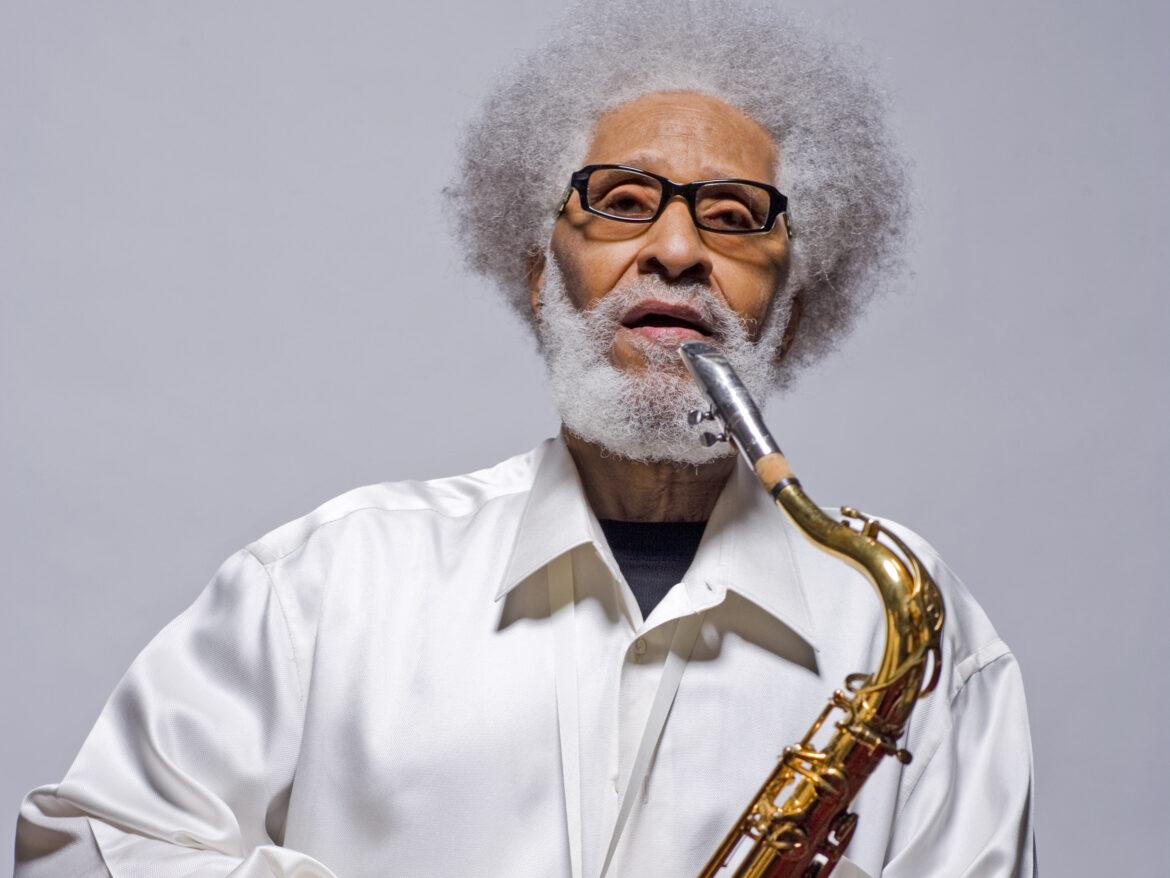
Sonny Rollins stands as one of the towering figures in the history of jazz, a musician whose technical brilliance, improvisational daring, intellectual curiosity, and relentless pursuit of artistic growth transformed the possibilities of the tenor saxophone.
Across more than seven decades, Rollins became not merely a virtuoso performer but also a symbol of artistic integrity and self-renewal. His music bridged bebop, hard bop, avant-garde experimentation, calypso rhythms, blues traditions, and modern jazz innovation. Revered by musicians and critics alike, he was often called “the greatest living improviser,” a title earned through performances that combined astonishing spontaneity with deep emotional and structural intelligence.
Rollins died on May 25, 2026, at his home in Woodstock, New York, at the age of 95. News of his death prompted tributes from musicians, critics, and fans around the world, many describing him as the last giant of the bebop era and one of the most influential saxophonists in modern music history. (The Washington Post)
Early Life and Musical Beginnings
Sonny Rollins was born Theodore Walter Rollins on September 7, 1930, in Harlem, New York City, and grew up during a period when Harlem was one of the cultural capitals of Black America. The neighborhood was alive with music, literature, politics, and social transformation. Jazz legends moved through its clubs and streets, and young Rollins absorbed the atmosphere of creativity surrounding him. His parents were immigrants from the Virgin Islands, and Caribbean culture remained an important influence throughout his life. The rhythms and melodies of calypso music would later become one of his signatures, distinguishing him from many of his contemporaries.
Rollins initially played piano before switching to alto saxophone and eventually settling on tenor saxophone. As a teenager, he became captivated by the revolutionary sounds of Charlie Parker and Thelonious Monk. Parker’s harmonic daring and rhythmic complexity changed the language of jazz forever, while Monk’s angular compositions and unconventional logic deeply influenced Rollins’s sense of musical structure.
By his late teens, Rollins was already performing with established musicians and developing a reputation as a formidable improviser. During the late 1940s and early 1950s, he worked with important figures such as Miles Davis, Bud Powell, and Monk himself. These collaborations sharpened his abilities and placed him at the center of modern jazz development.
Style and Approach to Improvisation
One of the defining characteristics of Sonny Rollins’s artistry was his emphasis on thematic improvisation. Many jazz musicians improvise by moving fluidly through harmonic patterns, but Rollins became known for building solos around small melodic ideas that he developed, transformed, and reimagined in real time. His improvisations often resembled conversations or dramatic narratives.
A short phrase introduced early in a solo might later reappear inverted, stretched rhythmically, or reshaped harmonically. This method gave his performances unusual coherence and intellectual depth while preserving spontaneity and emotional immediacy. Critics frequently noted that listening to Rollins felt like listening to someone think aloud through music.
Another distinctive feature of his playing was his humor. Sonny Rollins often inserted quotations from nursery rhymes, Broadway songs, folk melodies, or popular tunes into his solos. He could move effortlessly from profound intensity to playful wit within a single improvisation. This conversational quality made his performances uniquely human and unpredictable.
His tone was equally distinctive, broad, warm, forceful, and instantly recognizable. Unlike many younger saxophonists who pursued a lighter bebop sound, Rollins embraced a fuller tone reminiscent of earlier tenor masters such as Coleman Hawkins. His sound conveyed authority, confidence, and emotional depth.
Breakthrough Albums and Major Achievements
Saxophone Colossus (1956)
One of Sonny Rollins’s earliest masterpieces was Saxophone Colossus, widely regarded as one of the greatest jazz recordings ever made. The title itself reflected Rollins’s growing stature in the jazz world.
The album includes the celebrated track “St. Thomas,” inspired by Caribbean melodies associated with his family heritage. “St. Thomas” demonstrated Rollins’s ability to integrate calypso rhythms into modern jazz without reducing them to novelty. The piece became one of his signature compositions and remains a standard in jazz repertoire.
.
Another remarkable track from the album, “Blue 7,” became famous not only for its musical excellence but also because it inspired influential jazz criticism. Musicologist Gunther Schuller argued that Rollins’s improvisation displayed extraordinary thematic unity and structural sophistication.
Way Out West (1957)
Way Out West revealed Sonny Rollins experimenting with a piano less trio format. Without piano chords anchoring the harmony, Rollins enjoyed enormous freedom to reshape melodies and interact dynamically with the rhythm section. The recording highlighted his ability to imply harmonic movement entirely through melodic invention.
Freedom Suite (1958)
Freedom Suite was significant not only musically but politically. At a time when many jazz recordings avoided direct social commentary, Rollins openly addressed racial injustice in the album notes. He emphasized jazz as a major African American cultural achievement and discussed the contradictions faced by Black Americans.
The work anticipated the more openly political jazz movements of the 1960s and reflected Rollins’s growing awareness of the social responsibilities of artists.
Personal Struggles and Artistic Discipline
Like many jazz musicians of his era, Sonny Rollins struggled with heroin addiction during the 1950s. These struggles interrupted parts of his career, yet he ultimately overcame addiction through determination and discipline. His recovery became one of the defining turning points in his life.
What made Rollins unique was his relentless self-criticism. Despite widespread acclaim, he often believed he had not yet achieved his artistic potential. This dissatisfaction led to one of the most legendary episodes in jazz history.
The Williamsburg Bridge Period
In 1959, at the height of his fame, Sonny Rollins withdrew from public performance for nearly three years. Rather than capitalizing on his growing celebrity, he stepped away from the spotlight to practice intensely and rethink his music.
During this period, he famously practiced for hours on the Williamsburg Bridge connecting Manhattan and Brooklyn. The bridge provided a space where he could play loudly without disturbing neighbors. This image, Rollins alone on the bridge searching for artistic perfection, became symbolic of his discipline and uncompromising standards.
When he returned in 1962 with The Bridge, audiences and critics immediately recognized a transformed musician. His tone had become richer and more commanding, while his improvisations displayed even greater maturity and sophistication.
The “bridge period” remains one of the most extraordinary examples of artistic self-renewal in modern music history.
Innovation During the 1960s and 1970s
Throughout the 1960s, Sonny Rollins continued experimenting with form and style. Jazz itself was changing rapidly with the emergence of free jazz and avant-garde improvisation led by figures such as John Coltrane and Ornette Coleman.
Although Rollins admired Coltrane deeply, the two musicians developed very different artistic identities. Coltrane pursued spiritual intensity and harmonic expansion with extraordinary fervor, while Rollins remained grounded in thematic improvisation, humor, and rhythmic flexibility.
During the 1970s, Rollins incorporated funk, electric instruments, and world-music influences into his work. Albums such as Next Album and Easy Living reflected changing musical landscapes while retaining his distinctive voice.
Some jazz purists criticized these stylistic experiments, but Rollins resisted artistic stagnation throughout his career. He believed jazz should remain a living art form rather than becoming a museum tradition.
Live Performance and Stage Presence
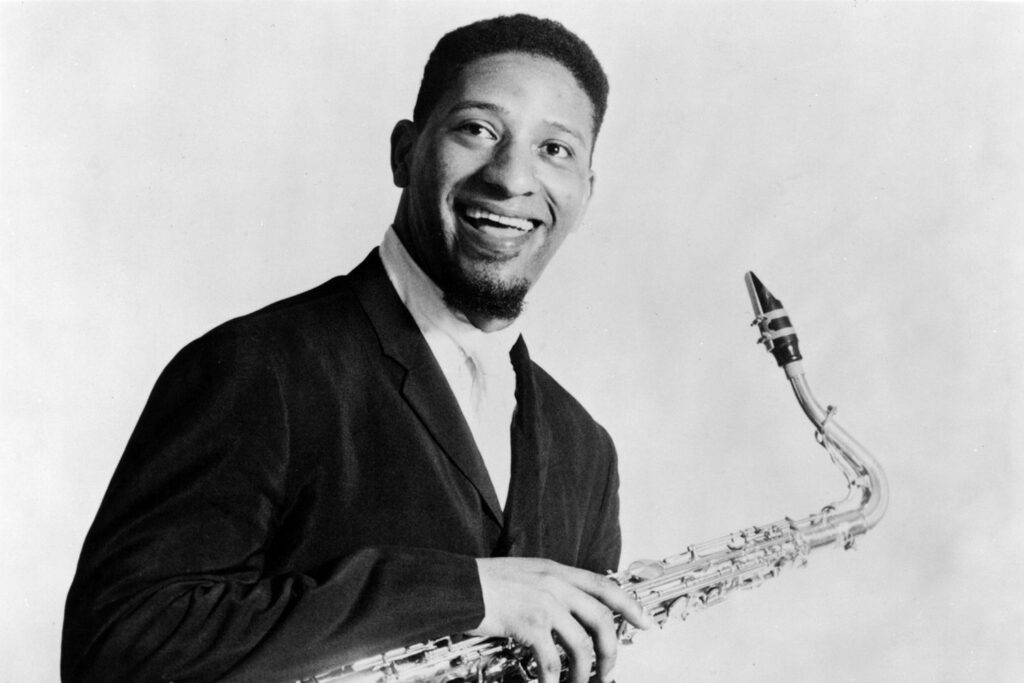
Many listeners believed Sonny Rollins’s greatest achievements occurred during live performance rather than in the recording studio. His concerts often featured extended improvisations lasting twenty or thirty minutes, during which he explored melodies with astonishing inventiveness.
Unlike musicians who reproduced familiar versions of songs night after night, Rollins treated every performance as a new creative adventure. Audiences never knew exactly where a solo might lead.
Physically, Rollins cut an imposing figure onstage, tall, energetic, and intensely focused. Yet despite his seriousness about music, he projected warmth and accessibility. Interviews revealed a thoughtful, philosophical personality marked by humility and introspection.
Rollins frequently discussed meditation, yoga, spirituality, and self-discipline. He viewed music not simply as entertainment but as a path toward self-knowledge and transcendence.
Later Years and Recognition
Sonny Rollins remained artistically relevant for decades, an extraordinary achievement in jazz. Even into his seventies and eighties, he continued delivering powerful performances filled with invention and energy.
One of his notable later releases was Without a Song: The 9/11 Concert, recorded shortly after the September 11 attacks. The emotional intensity of the performance demonstrated that Rollins’s creative powers remained undiminished.
Over the course of his career, he received numerous honors, including Grammy Awards, a Grammy Lifetime Achievement Award, the National Medal of Arts, and Kennedy Center Honors.
Health problems eventually forced Rollins into retirement from live performance in 2014. Reports following his death noted that he had suffered from respiratory illnesses and had been largely housebound during his final years. (Pitchfork)
Death and Global Tributes
Sonny Rollins died on May 25, 2026, at his home in Woodstock, New York, aged 95. His publicist described him as “one of the most honoured and influential figures in American music of the 20th century and beyond.”
Many reflected on his symbolic place in jazz history. Rollins had been one of the last surviving musicians from the bebop generation and the final surviving figure from the famous “A Great Day in Harlem” photograph featuring legendary jazz musicians.
Legacy and Influence
The influence of Sonny Rollins on later generations of saxophonists is immeasurable. Musicians such as Michael Brecker, Joe Lovano, and Joshua Redman have all acknowledged his profound impact.
His method of thematic improvisation became central to jazz education around the world. Yet no imitator fully captured the unique combination of intellectual rigor, rhythmic elasticity, emotional warmth, humor, and spontaneity that defined Rollins’s style.
Sonny Rollins embodied the ideal of jazz as a balance between freedom and structure, discipline and risk, tradition and innovation. He respected jazz history deeply while refusing to become trapped by convention.
Critics often described him as a philosopher of jazz, a fitting description for an artist whose career reflected constant inquiry into music, spirituality, and personal growth. His decision to leave fame behind temporarily and practice alone on the Williamsburg Bridge remains one of the most remarkable acts of artistic integrity in modern culture.
Conclusion
Sonny Rollins was more than a master saxophonist. He was an explorer, innovator, philosopher, and symbol of artistic courage. His music captured curiosity, resilience, intelligence, humor, struggle, and joy with extraordinary depth.
Each Rollins solo felt alive with possibility, as though listeners were witnessing thought itself becoming sound. Few musicians in any genre achieved such a balance between mastery and spontaneity.
Through his lifelong dedication to exploration and authenticity, Sonny Rollins secured a permanent place among the greatest artists in the history of music. Even after his death in 2026, his recordings continue to inspire listeners around the world, ensuring that the voice of the “Saxophone Colossus” will never truly fall silent.
Check out Sonny Rollins on Amazon by clicking here.
If you found this interesting please share it with your friends and family, and check out some of our other articles on Musicians who Died in 2026.
.
