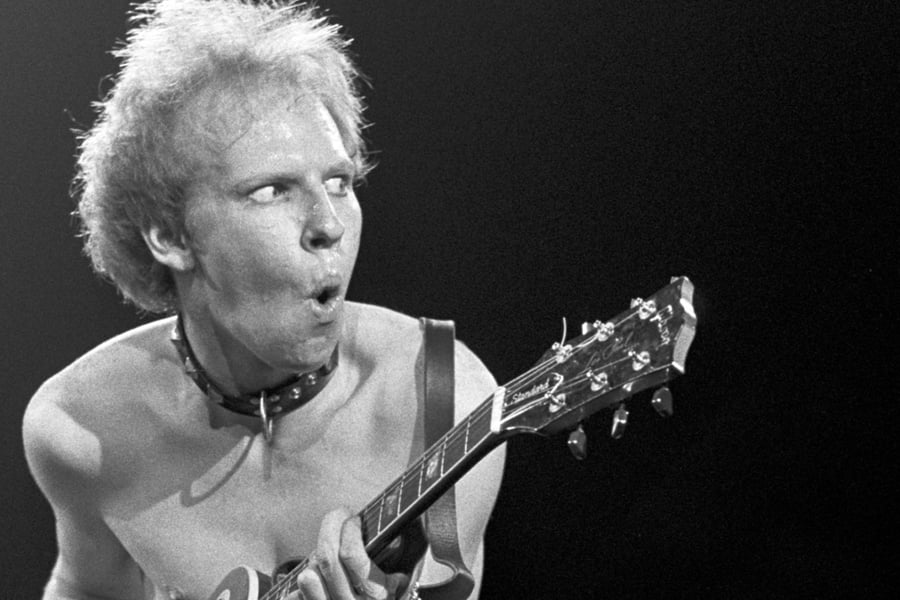
Cheetah Chrome was an American guitarist, songwriter and one of the most influential figures in the development of American punk rock. Best known as a founding member of the legendary punk band Dead Boys and an important member of the pioneering Cleveland group Rocket from the Tombs, Chrome helped create a raw, aggressive musical sound that would influence generations of punk, alternative and rock musicians.
With his ferocious guitar playing, rebellious attitude and uncompromising approach to rock music, Chrome became an important part of the emerging American underground music movement of the 1970s. Alongside singer Stiv Bators, he helped establish the Dead Boys as one of the most exciting and confrontational bands to emerge from the early New York punk scene.
Although the Dead Boys released only two original studio albums during their initial existence, their influence far exceeded their commercial success. Their debut, Young, Loud and Snotty, became a landmark recording of American punk, featuring the enduring anthem “Sonic Reducer”, a song that remains one of the defining recordings of the genre.
Chrome’s musical career extended far beyond the Dead Boys. He worked with Rocket from the Tombs, collaborated with members of other influential rock groups, pursued solo projects, reunited with former bandmates and eventually became involved in the record industry. His life also provided the material for his 2010 autobiography, Cheetah Chrome: A Dead Boy’s Tale from the Front Lines of Punk Rock.
Early Life and Musical Influences
Cheetah Chrome was born Eugene Richard O’Connor on February 18, 1955, in Cleveland, Ohio. Growing up during a period when rock music was undergoing enormous cultural changes, he developed an interest in music at an early age.
Like many musicians of his generation, his musical ambitions were influenced by the British Invasion and the explosion of electric guitar-driven rock music during the 1960s. Seeing The Beatles perform on television, particularly their appearance on The Ed Sullivan Show, helped inspire his interest in playing guitar. However, it was the heavier, more rebellious sounds of American and British rock that would ultimately shape his musical direction.
Cheetah Chrome became particularly interested in artists and bands such as Steppenwolf, The Stooges, MC5 and Alice Cooper. These performers offered something different from the polished pop music dominating much of the mainstream industry. Their music was louder, rougher and often deliberately confrontational.
The influence of these artists would become central to Chrome’s playing style. Rather than pursuing technically elaborate guitar performances, he favoured powerful riffs, distorted sounds and an aggressive approach that placed energy and attitude above musical perfection.
During the early 1970s, he began playing in local Cleveland bands, developing his skills and becoming involved in the city’s growing underground music community. One important early friendship was with drummer John Madansky, who would later become known professionally as Johnny Blitz. Their musical partnership would eventually lead to the formation of one of punk rock’s most important bands.
Rocket from the Tombs: The Beginning of Something Different
Cheetah Chrome’s first major musical breakthrough came through Rocket from the Tombs, a Cleveland-based band formed in the early 1970s. The group brought together several musicians who would subsequently become important figures in the American underground rock movement. Its members included vocalist David Thomas, guitarist Peter Laughner, bassist Craig Bell, drummer John Madansky and, later, Cheetah Chrome who joined the group in late 1974, bringing a more aggressive guitar sound to its already unconventional musical direction.
Rocket from the Tombs were an unusual band. Their music combined elements of garage rock, hard rock, proto-punk and experimental music. They were influenced by the raw power of bands such as The Stooges and MC5 but were also interested in pushing rock music into less predictable territory. Their performances were intense, loud and frequently unpredictable.
Although Rocket from the Tombs never achieved mainstream success during their original existence, they became enormously influential in retrospect. Their music helped establish the musical foundations for several important developments in punk and alternative rock.
Among their best-known compositions were “Sonic Reducer”, “Ain’t It Fun”, “30 Seconds Over Tokyo”, “Final Solution” and “Life Stinks”. These songs demonstrated the combination of aggressive guitar work, dark lyrical themes and unconventional musical arrangements that would become a defining feature of the Cleveland underground scene.
Rocket from the Tombs also provided an important connection between two future musical directions. Following the group’s breakup, David Thomas would go on to establish Pere Ubu, while Chrome and several other members would form the Dead Boys.
Rocket from the Tombs performed its final original-era shows in 1975, but its importance would become increasingly recognised as punk rock developed.
Forming the Dead Boys
Following the breakup of Rocket from the Tombs, Cheetah Chrome continued working with drummer Johnny Blitz and vocalist Stiv Bators, whose real name was Steven Bator. The musicians initially became involved in a group called Frankenstein. However, the project proved short-lived.
By 1976, the American punk scene was beginning to attract attention, particularly in New York City, where clubs such as CBGB were providing a home for a new generation of uncompromising rock bands.
Encouraged by the growing opportunities in New York, Chrome and his musical colleagues decided to relocate. Together with Stiv Bators, Johnny Blitz, guitarist Jimmy Zero and bassist Jeff Magnum, they established the Dead Boys. The band’s name was taken from the Rocket from the Tombs song “Down in Flames”.
The Dead Boys quickly developed a reputation for their explosive live performances. Their music was aggressive, loud and deliberately provocative, while Bators became known for his outrageous stage presence and confrontational personality, Cheetah Chrome provided much of the band’s musical power. His guitar playing combined distorted riffs, relentless rhythms and a raw garage-rock influence that gave the Dead Boys their distinctive sound.
The group became regular performers at CBGB, sharing the stage with important acts from the developing New York punk scene, including the Ramones, Television and Patti Smith.
Although they were often associated with New York, the Dead Boys brought a distinctly different musical background to the scene. Their roots in Cleveland’s harder-edged underground rock movement gave them a sound that was particularly ferocious. Their performances attracted attention from audiences, journalists and record industry figures.
Young, Loud and Snotty: A Punk Rock Landmark
In 1977, the Dead Boys signed with Sire Records and released their debut studio album, Young, Loud and Snotty.
Produced by Genya Ravan, the album captured the band’s raw energy and established their reputation as one of the most exciting groups in American punk. Its title perfectly reflected their attitude. This was music that rejected the conventions of mainstream rock, embracing aggression, irreverence and an unapologetic sense of rebellion.
The album’s most celebrated track was “Sonic Reducer”, featuring one of Chrome’s most memorable guitar performances. Built around a powerful, repetitive guitar riff, the song became an underground punk anthem. Its combination of driving rhythms, distorted guitars and Bators’ aggressive vocals helped establish the Dead Boys’ identity. Other tracks included “All This and More”, “What Love Is”, “Not Anymore”, “Ain’t Nothin’ to Do” and “Caught with the Meat in Your Mouth”.
.
Cheetah Chrome’s playing was central to the album’s appeal. Rather than relying on elaborate solos, he concentrated on creating memorable riffs and maintaining an almost physical intensity throughout the performances.
The album did not transform the Dead Boys into mainstream superstars, but it became a highly respected recording within punk circles. Over the years, Young, Loud and Snotty has regularly appeared in discussions of the most important American punk albums. Its influence can be heard in subsequent generations of punk, hardcore and alternative rock musicians.
We Have Come for Your Children
The Dead Boys followed their debut with We Have Come for Your Children in 1978. The second album retained much of the aggression that had made the group popular, although its production and musical arrangements were somewhat different. Tracks included “3rd Generation Nation”, “I Won’t Look Back”, “Ain’t It Fun”, “All the Way Down” and “Son of Sam”.
While the album contained some strong material, it failed to achieve the commercial breakthrough that the band had hoped for.
There were also growing tensions within the group. The pressures of touring, disagreements over musical direction and problems involving drugs and alcohol contributed to an increasingly difficult working environment. Despite their reputation as one of the most exciting live bands in punk, the Dead Boys struggled to translate their underground popularity into sustained commercial success.
By 1979, the group’s original run was coming to an end. Their initial breakup effectively marked the end of one of the most important chapters in Chrome’s musical career, although he would continue performing and recording for many years.
Life After the Dead Boys
Following the Dead Boys’ breakup, Cheetah Chrome remained involved in the New York music scene. He performed with various musicians and projects, including The Stilettos and his own group, Cheetah Chrome and the Casualties. He also released the single “Still Wanna Die” backed with “Take Me Home”, continuing to explore the raw rock sound that had characterised his earlier work.
One particularly interesting opportunity came when he contributed guitar to Siren, the debut solo album by Ronnie Spector. Spector, famous for her work with the Ronettes, represented a very different musical generation from the emerging punk scene. Chrome’s involvement demonstrated his willingness to work outside the boundaries of his established musical identity.
During the 1980s, he continued appearing on recordings and working with different musicians. He also became associated with touring and performing projects that kept him connected to the underground rock community.
His career did not follow the conventional path of a commercially successful rock star. Instead, Cheetah Chrome remained closely connected to the independent music world, pursuing opportunities that allowed him to continue playing and recording.
Reuniting with Rocket from the Tombs
Although Rocket from the Tombs had existed for only a relatively short period during the 1970s, the group’s influence continued to grow. As interest in the early American punk movement increased, the original recordings became increasingly appreciated by collectors and younger musicians.
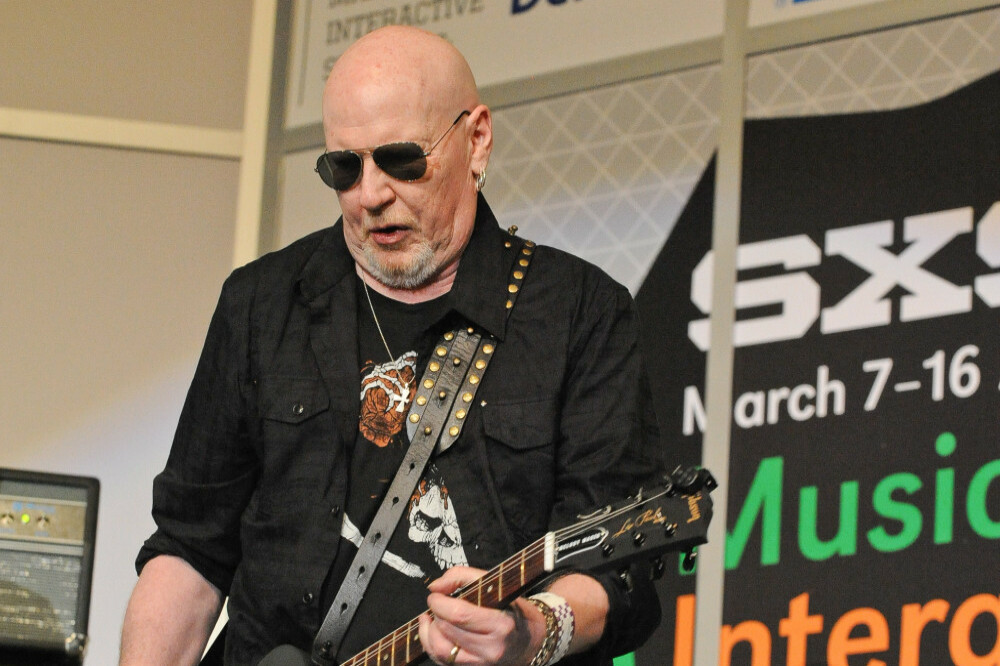
In 2003, Cheetah Chrome helped bring Rocket from the Tombs back together with a new lineup. The reformed group included original members David Thomas and Craig Bell, alongside drummer Steve Mehlman and guitarist Richard Lloyd, best known for his work with Television. The reunion allowed audiences to experience music that had originally been created decades earlier but had never received the recognition it deserved.
The band released Rocket Redux, revisiting material from its original period and introducing the songs to a wider audience. They subsequently continued performing and recording new material, and in 2011, Rocket from the Tombs released Barfly, an album that demonstrated the group’s continued creative potential.
Cheetah Chrome eventually left the band, but the reunion helped secure Rocket from the Tombs’ place in the history of American underground music. It also provided an opportunity for him to revisit the beginnings of his career and reconnect with the musical community that had helped shape his identity.
.
Batusis and Other Musical Projects
Cheetah Chrome continued exploring new musical collaborations during the 2010s.
One of his more interesting projects was Batusis, a band he formed with Syl Sylvain, the guitarist best known for his work with the New York Dolls. Both musicians had played important roles in the development of the American punk and glam-rock movements, making their partnership a natural meeting of musical influences.
Batusis released a self-titled EP in 2010, featuring a combination of hard rock, garage rock and punk influences. The project demonstrated that Chrome remained enthusiastic about making music and collaborating with musicians who shared his appreciation for the rebellious spirit of rock and roll.
Cheetah Chrome also continued working on solo material, and his album Solo was released in 2014 through Plowboy Records, the Nashville-based label with which he had become increasingly involved. The record offered another opportunity to showcase his songwriting and guitar playing outside the confines of the Dead Boys.
Autobiography: A Dead Boy’s Tale from the Front Lines of Punk Rock
In 2010, Chrome published his autobiography, Cheetah Chrome: A Dead Boy’s Tale from the Front Lines of Punk Rock. The book provided a personal account of his experiences during the formation of the Dead Boys, the early days of American punk and the chaotic world of underground rock during the 1970s.
Rather than presenting a polished account of a successful music career, the autobiography explored the realities of life in a band that was frequently surrounded by controversy, excess and personal conflict. Cheetah Chrome discussed his musical influences, relationships with fellow musicians and experiences navigating the music industry. His recollections also offered insight into the personalities and circumstances behind one of punk rock’s most influential groups.
For fans of the Dead Boys and anyone interested in the history of American punk, the autobiography became an important account of a musical era that had helped transform popular culture. It also gave Chrome an opportunity to tell his story in his own words.
Moving to Nashville and Working in the Music Industry
In later years, Cheetah Chrome became increasingly associated with Nashville, Tennessee. Although he remained connected to the punk scene, his professional activities expanded beyond performing and recording.
He became involved with Plowboy Records, working as creative director of A&R and director of special projects. The position allowed him to use his extensive experience of the music industry in a different way.
After decades spent performing, touring and recording, Chrome now had an opportunity to help develop projects and work with other artists.
In an interview with Vice, he discussed the challenges of moving into the record business, explaining that although becoming a label executive initially seemed daunting, his years of experience had given him a good understanding of how the industry worked and what could be done differently.
His involvement with Plowboy Records demonstrated that his interest in music extended well beyond his own performances. He remained committed to rock and roll and to supporting the artists and creative projects that he believed deserved attention.
Cheetah Chrome’s Influence on Punk Rock
Cheetah Chrome’s importance to music history cannot be measured simply by the number of albums he released or the commercial success he achieved. His contribution was rooted in the development of a particular sound and attitude that helped shape American punk rock.
Through Rocket from the Tombs, he was involved in an important early experiment in combining garage rock, hard rock and experimental music into something more aggressive and unconventional. With the Dead Boys, he helped take that approach into the emerging New York punk scene.
His guitar work on Young, Loud and Snotty remains particularly influential. The album demonstrated how powerful punk music could be when stripped back to its essential elements of memorable riffs, energetic performances and an uncompromising attitude.
Cheetah Chrome’s influence extended across several generations of musicians. His work helped inspire performers who wanted to make loud, direct and emotionally charged music without following the expectations of the mainstream record industry.
The Dead Boys’ reputation also continued to grow long after their original breakup, with their recordings remaining important reference points for punk musicians around the world.
In 2013, Cheetah Chrome’s story reached a wider film audience when he was portrayed by Rupert Grint in the movie CBGB, which explored the history of the famous New York music venue and the artists associated with it. The film introduced another generation to the characters and bands that helped establish the early punk movement.
Death at 71
Cheetah Chrome died on September 13, 2026, at the age of 71, no cause of death was publicly disclosed in the initial announcement.
The Dead Boys announced his passing in a statement shared on social media, paying tribute to their former bandmate and describing him as an original figure who had helped shape the punk rock movement. The band remembered his distinctive guitar playing, extraordinary energy and love of rock and roll.
Tributes followed from musicians and fans who recognised the importance of his contribution to punk music.
Guns N’ Roses bassist Duff McKagan was among those who paid tribute, highlighting Chrome’s influence on his own understanding of guitar playing, particularly its combination of aggression and precision. Other musicians also acknowledged the role he had played in establishing the sound and attitude of early American punk.
Check out Rocket from the Tombs on Amazon by clicking here.
Check out the Dead Boys on Amazon by clicking here.
If you found this interesting please share it with your friends and family, and check out some of our other articles on Musicians who Died in 2026.
.
