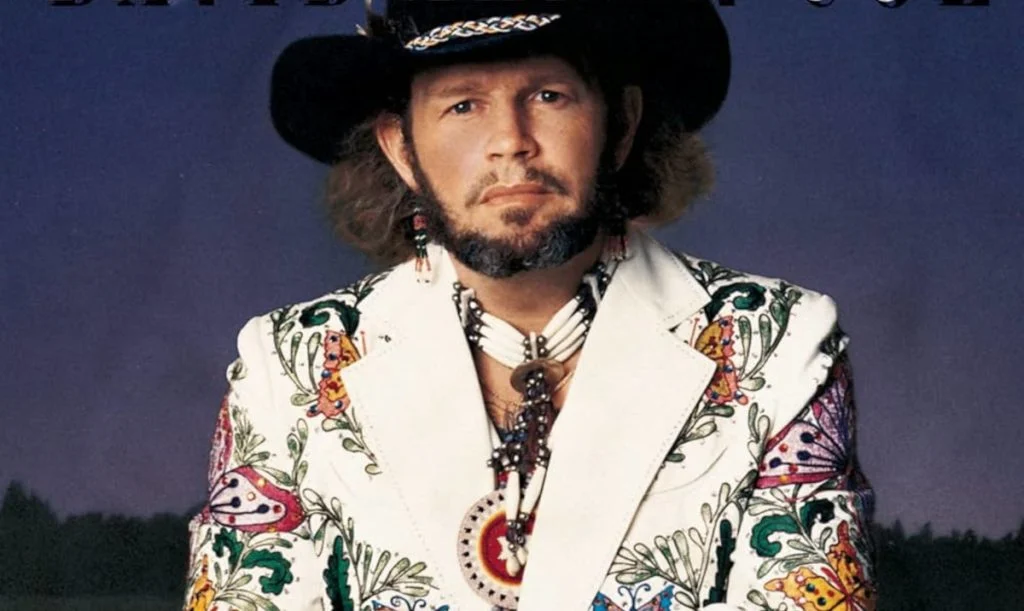
David Allan Coe lived one of the most unconventional and polarizing lives in American music. A figure who straddled the line between myth and reality, Coe’s journey from reform schools and prisons to the center of the outlaw country movement is both compelling and controversial.
His music, raw and unapologetic, reflected a life lived on the margins, while his storytelling ability secured his place as one of the most distinctive voices in country music history.
Early Life: Hardship, Rebellion, and Myth
David Allan Coe was born on September 6, 1939 in Akron, Ohio, into circumstances that would shape both his personality and artistic identity. His early years were marked by instability, run-ins with the law, and time spent in reform schools. By his own account, though some details remain disputed, Coe spent a significant portion of his youth and early adulthood incarcerated. These experiences would later become central themes in his songwriting, lending authenticity and grit to his music.
Coe often blurred the lines between fact and fiction when recounting his past. Like many outlaw country figures, he cultivated a persona that was as much performance as it was biography. Whether every detail of his prison years was true mattered less than the image he projected, a hardened outsider who had lived the stories he sang. This persona resonated with audiences seeking something more genuine than the polished narratives of mainstream country music at the time.
During his time in prison, Coe began writing songs and honing his musical abilities. He reportedly learned to play guitar behind bars and developed a passion for storytelling through music. Upon his release, he drifted toward Nashville, Tennessee, the heart of the country music industry, where he would begin the slow climb to recognition.
Nashville Beginnings: From Busking to Breakthrough
When Coe arrived in Nashville in the late 1960s, he was far from an overnight success. He lived on the fringes, often busking on the streets and performing wherever he could find an audience. His early musical style leaned heavily toward blues, reflecting his influences and life experiences. However, he soon began to incorporate country elements into his sound, recognizing the opportunities within Nashville’s music scene.
David Allan Coe’s persistence eventually paid off. He gained the attention of industry insiders and secured a recording contract. His early albums, including Penitentiary Blues (1970), drew heavily from his prison experiences and blues roots. While these records did not achieve immediate commercial success, they established Coe as a unique voice, one unafraid to tackle dark, uncomfortable themes.
His transition toward country music coincided with the rise of the outlaw country movement, a subgenre defined by its rejection of the slick, commercialized Nashville sound. Alongside artists like Willie Nelson and Waylon Jennings, Coe became associated with a movement that valued artistic freedom, authenticity, and rebellion against industry norms.
Outlaw Country and Rising Fame
The 1970s marked the peak of Coe’s career, as he found his place within the outlaw country movement. Unlike some of his peers, however, Coe was never fully embraced by the mainstream. His rough-edged persona, combined with his willingness to push boundaries lyrically and thematically, set him apart, even within a genre known for its defiance.
One of his most enduring contributions to country music is the song You Never Even Called Me by My Name. Written by Steve Goodman and John Prine, the song became a signature hit for Coe in 1975. Often humorously referred to as “the perfect country and western song,” it combines self-awareness with classic country tropes, trains, prison, heartbreak, and mama. Coe’s performance elevated the song into a beloved anthem, showcasing his ability to balance humor and sincerity.
.
Another standout track, Longhaired Redneck, further cemented his outlaw image. The song is both a declaration of identity and a critique of musical purism, celebrating diversity within country music while challenging those who sought to define it narrowly. It remains one of his most recognizable works and a testament to his defiant spirit.
David Allan Coe continued to release music throughout the decade, building a loyal fan base. Songs like The Ride, a haunting narrative involving a mysterious encounter with Hank Williams, demonstrated his storytelling prowess. The track became one of his biggest hits in the 1980s and is often cited as a classic of the genre.
Songwriting and Musical Style
David Allan Coe’s songwriting is characterized by its raw honesty, vivid imagery, and willingness to confront uncomfortable subjects. His music often explores themes of regret, redemption, loneliness, and rebellion. Unlike many of his contemporaries, Coe did not shy away from depicting the darker aspects of life, drawing from his own experiences to create songs that felt deeply personal.
Musically, Coe was versatile. While he is best known for his country recordings, his work also incorporates elements of blues, rock, and even gospel. This eclecticism reflects both his influences and his refusal to be confined by genre boundaries. His voice, gravelly, expressive, and unmistakable, added another layer of authenticity to his music.
In addition to performing, David Allan Coe was a prolific songwriter for other artists. His compositions were recorded by numerous country musicians, further extending his influence within the industry. Despite this, he often remained an outsider, never fully assimilating into Nashville’s mainstream establishment.
Commercial Success and Later Hits
While David Allan Coe’s career began in the 1970s, he achieved some of his greatest commercial success in the 1980s. Songs like Mona Lisa Lost Her Smile and She Used to Love Me a Lot showcased a more polished side of his artistry. These tracks, with their emotional depth and accessible melodies, resonated with a broader audience and climbed the country charts.
“Mona Lisa Lost Her Smile,” in particular, became one of his biggest hits, reaching the top of the Billboard country charts in 1984. The song’s poignant lyrics and memorable melody demonstrated Coe’s ability to craft commercially successful music without sacrificing emotional authenticity.
Despite these successes, David Allan Coe’s career was often overshadowed by controversy. Some of his recordings, particularly those released independently, drew criticism for offensive and explicit content. These works complicated his legacy, leading to debates about the separation of art and artist. While his mainstream catalog remains widely respected, these controversies have continued to influence how he is perceived.
Controversy and Complexity
It would be incomplete to discuss David Allan Coe without acknowledging the controversies that surrounded him. Throughout his career, he was known for pushing boundaries, sometimes to the point of alienating audiences and industry peers. Certain recordings, often referred to as his “underground” albums, contained material that was widely criticized for its offensive nature.
These aspects of his career have sparked ongoing discussions about his legacy. For some, they represent an extension of his outlaw persona, a refusal to conform or self-censor. For others, they are deeply problematic and overshadow his artistic achievements. This tension has made Coe one of the more divisive figures in country music history.
Yet, even his critics often acknowledge his talent as a songwriter and performer. His ability to craft compelling narratives and connect with listeners on an emotional level remains undeniable. The duality of his career, marked by both brilliance and controversy, adds to the complexity of his story.
Legacy in Outlaw Country
David Allan Coe’s place in the outlaw country movement is secure, even if his relationship with the genre’s mainstream figures was sometimes strained. Alongside artists like Johnny Cash, Willie Nelson, and Waylon Jennings, Coe helped redefine what country music could be.
The outlaw movement was about more than just sound, it was about attitude and independence. Coe embodied these qualities, often to an extreme degree. His refusal to conform, to industry expectations, social norms, or even audience preferences, set him apart as a true individualist.
His influence can be seen in later generations of country and Americana artists who value authenticity and storytelling over commercial polish. While not all of these artists share his controversial tendencies, many have drawn inspiration from his willingness to speak his truth, however uncomfortable it might be.
.
Final Years and Passing
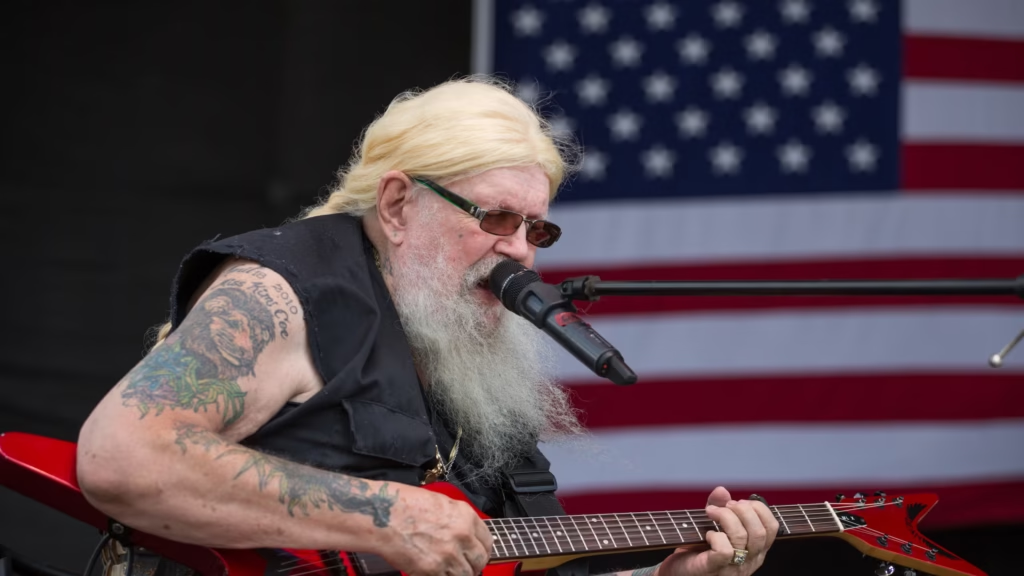
In his later years, Coe continued to perform and record music, maintaining a dedicated fan base. Despite health challenges and changing musical trends, he remained active, often touring and connecting with audiences who appreciated his legacy.
David Allan Coe died on April 29, 2026, marking the end of a long and eventful life. His death prompted reflection on a career that defied easy categorization. Tributes from fans and fellow musicians highlighted his contributions to country music, as well as the enduring impact of his songs.
Conclusion: A Complicated Icon
David Allan Coe’s life and career resist simple interpretation. He was a gifted songwriter, a compelling performer, and a central figure in one of country music’s most important movements. At the same time, he was a controversial figure whose actions and choices often sparked debate.
What remains undeniable is his influence. Songs like “You Never Even Called Me by My Name,” “The Ride,” and “Mona Lisa Lost Her Smile” continue to resonate with listeners, capturing the essence of a genre rooted in storytelling and emotion. His willingness to explore the darker corners of human experience set him apart from many of his peers, making his music both challenging and rewarding.
In the end, David Allan Coe stands as a testament to the power of authenticity, however imperfect it may be. His legacy, like his life, is complex, contradictory, and impossible to ignore.
Check out David Allan Coe on Amazon by clicking here.
If you found this interesting please share it with your friends and family, and check out some of our other articles on Musicians who Died in 2026.
.
