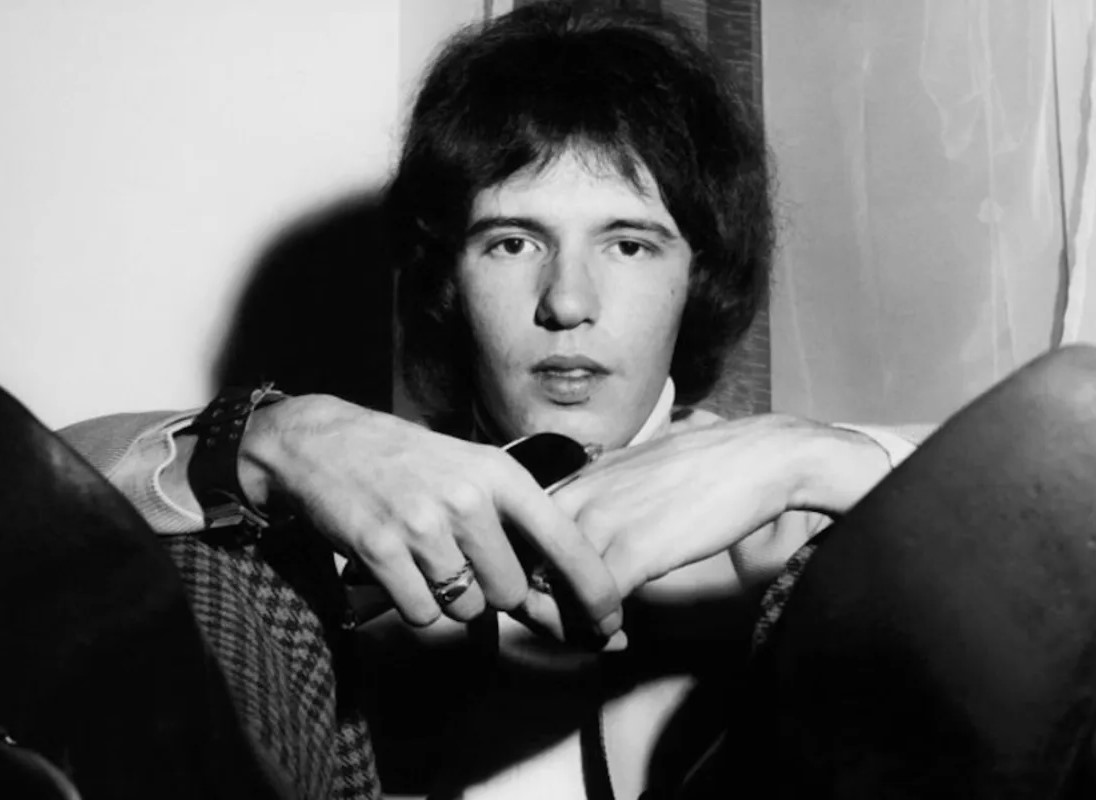
Gary Walker was an American drummer, singer, and pop musician best known as a member of the The Walker Brothers and for his earlier work with The Standells.
During the height of the 1960s pop explosion, Walker helped transform the Walker Brothers into one of the most successful acts of the era, particularly in the United Kingdom. Their orchestral pop sound and emotional ballads helped define mid-1960s pop music and made them international stars.
Although much of the spotlight fell on lead singer Scott Walker, Gary Walker played an essential role as the group’s drummer, vocalist, and energetic stage performer. Over a career that spanned more than six decades, he remained closely connected to the legacy of the Walker Brothers while also pursuing solo projects and leading his own band, Gary Walker and the Rain.
Early Life of Gary Walker
Gary Walker was born Gary Leeds in Glendale, California, on March 9, 1942. Growing up in Southern California during the early days of rock and roll, he developed a passion for music at a young age.
Like many young musicians of the era, he began experimenting with rhythm instruments during his teenage years. Eventually he acquired a drum kit and began practicing seriously, inspired by the rock-and-roll revolution that had swept across America in the late 1950s.
By the time he was in high school, Walker was already playing with local bands and performing around the Los Angeles area. His first group was called The Beltones, a small rock band that performed early rock, rhythm and blues, and pop covers.
These early experiences helped Walker develop the energetic drumming style and stage presence that would later define his career.
Early Career and The Standells
In 1962, Gary Leeds joined the Los Angeles garage rock band The Standells.
The group was already active in the local music scene and would later become famous for their 1966 hit “Dirty Water,” one of the defining songs of American garage rock.
During his time with the Standells, Walker gained valuable experience touring and performing professionally. The band appeared on television and performed in clubs across the United States, helping him build confidence as both a drummer and performer.
Although he left before the band achieved their biggest commercial success, the experience gave him the professional foundation needed for the next phase of his career.
During this period he also worked with American singer P. J. Proby, touring as part of Proby’s backing band.
This opportunity would soon change Walker’s career path completely.
.
Formation of The Walker Brothers
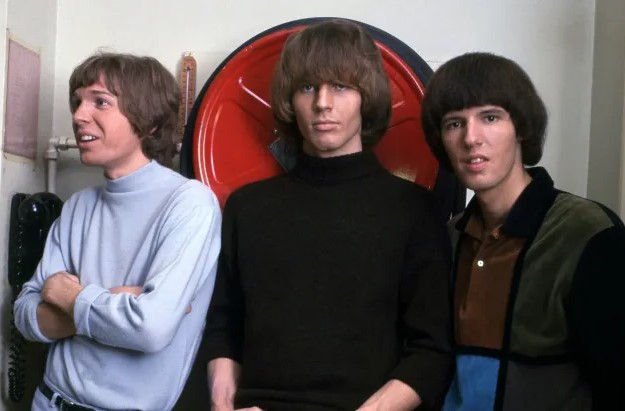
In 1964 Gary Leeds met two aspiring musicians in Los Angeles, Scott Engel and John Maus
The three formed a vocal group that would soon become the Walker Brothers, despite the fact that none of them were actually related.
Gary Leeds adopted the stage name Gary Walker, John Maus became John Walker and Scott Engel became Scott Walker.
Recognizing that the British music scene offered greater opportunities, Gary Walker convinced the group to relocate to the United Kingdom. At the time, Britain was experiencing the cultural boom known as Swinging London, and audiences were eager for new pop acts.
This move would prove to be the defining moment of their careers.
The Walker Brothers’ Rise to Fame
After arriving in Britain, the Walker Brothers quickly became one of the most successful pop acts of the mid-1960s.
Their sound combined dramatic orchestral arrangements with emotional vocals, setting them apart from the guitar-driven rock bands of the time.
Their breakthrough came with the hit single “Make It Easy on Yourself,” which reached No. 1 on the UK charts.
.
Another defining moment came with their version of “The Sun Ain’t Gonna Shine (Anymore),” originally recorded by Frankie Valli. The Walker Brothers’ powerful rendition became one of the most iconic songs of the decade.
Other major hits included:
- “My Ship Is Coming In”
- “Love Her”
- “Another Tear Falls”
At their peak, the Walker Brothers rivaled even The Beatles in terms of fan hysteria in parts of Europe.
Gary Walker’s energetic drumming and stage presence played an important role in the band’s live performances and public image.
Gary Walker’s Solo Career
While still performing with the Walker Brothers, Gary Walker began releasing solo recordings.
His first single, “You Don’t Love Me,” was released in 1966 and reached the Top 30 in the UK Singles Chart. The success showed that Walker had potential as an independent artist.
Other singles followed, including:
- “Twinkie-Lee”
- “Come In You’ll Get Pneumonia”
Although none of these releases matched the massive success of the Walker Brothers, they demonstrated Walker’s versatility as both a singer and performer.
Gary Walker and the Rain
After the Walker Brothers first disbanded in 1967, Gary Walker formed a new band called Gary Walker and the Rain.
The group featured several talented musicians, including future Badfinger guitarist Joey Molland.
In 1968, the band released the album Album No. 1, which featured a blend of pop, rock, and psychedelic influences.
Although the record achieved limited success in the United States and Britain, it became particularly popular in Japan, where the Walker Brothers had already built a large fan base.
Today, the album is considered a cult classic among collectors of 1960s pop and psychedelic rock.
The Walker Brothers Reunion (1970s)
In 1974, Gary Walker reunited with Scott Walker and John Walker to revive the Walker Brothers.
The reunion resulted in the album No Regrets (1975), whose title track became a Top 10 hit in the UK.
Two more albums followed:
- Lines (1976)
- Nite Flights (1978)
While these albums did not achieve the commercial success of their earlier work, they gained critical recognition for their musical experimentation.
The album Nite Flights in particular later became influential, inspiring artists in alternative and experimental music scenes.
The Walker Brothers eventually disbanded permanently in 1978.
Gary Walker’s Later Life
Following the breakup of the Walker Brothers, Gary Walker stepped away from mainstream music for several years.
He settled in England, where he married his wife Barbara in 1979 and started a family. Outside music, he worked in several fields, including running a small business and producing miniature sculptures.
Despite leaving the spotlight, Walker occasionally returned to music for special appearances and reunions.
In 2009, he and John Walker co-wrote the memoir, The Walker Brothers: No Regrets – Our Story
The book provided fans with a rare behind-the-scenes look at the group’s rise to fame, their struggles, and their creative journey.
Gary Walker’s Death in 2026
Gary Walker died on March 1, 2026, at the age of 83 after suffering a stroke.
By the time of his death, he was the last surviving member of the Walker Brothers.
- John Walker had died in 2011
- Scott Walker died in 2019
His passing marked the end of the original trio that had helped shape the sound of mid-1960s pop music.
Gary Walker’s Legacy in Music History
Gary Walker’s contribution to popular music is often overlooked, but his influence remains significant.
He helped:
- Launch the Walker Brothers’ international career
- Bring American musicians into the British pop explosion of the 1960s
- Record some of the era’s most memorable orchestral pop songs
- Expand the band’s legacy through reunion albums and later performances
The Walker Brothers helped pave the way for later pop vocal groups and remain one of the defining acts of the 1960s.
Songs like “The Sun Ain’t Gonna Shine (Anymore)” continue to be rediscovered by new generations of listeners.
Key Gary Walker Songs and Albums
With The Walker Brothers
- Take It Easy with the Walker Brothers (1965)
- Portrait (1966)
- Images (1967)
- No Regrets (1975)
- Lines (1976)
- Nite Flights (1978)
Solo Singles
- “You Don’t Love Me” (1966)
- “Twinkie-Lee” (1966)
- “Hello, How Are You” (1975)
With Gary Walker and the Rain
- Album No. 1 (1968)
Gary Walker may not have always been the most visible member of the Walker Brothers, but his contributions as a drummer, vocalist, and performer helped shape one of the most successful pop groups of the 1960s.
From the Los Angeles garage rock scene to international pop stardom in Britain, his career reflected the global transformation of popular music during the 1960s and 1970s.
Even decades after their chart-topping hits, the music of the Walker Brothers, and Gary Walker’s role within it, continues to influence artists and inspire fans around the world.
Check out Gary Walker on Amazon by clicking here.
Check out The Walker Brothers on Amazon by clicking here.
If you found this interesting please share it with your friends and family, and check out some of our other articles on Musicians who Died in 2026.
.
