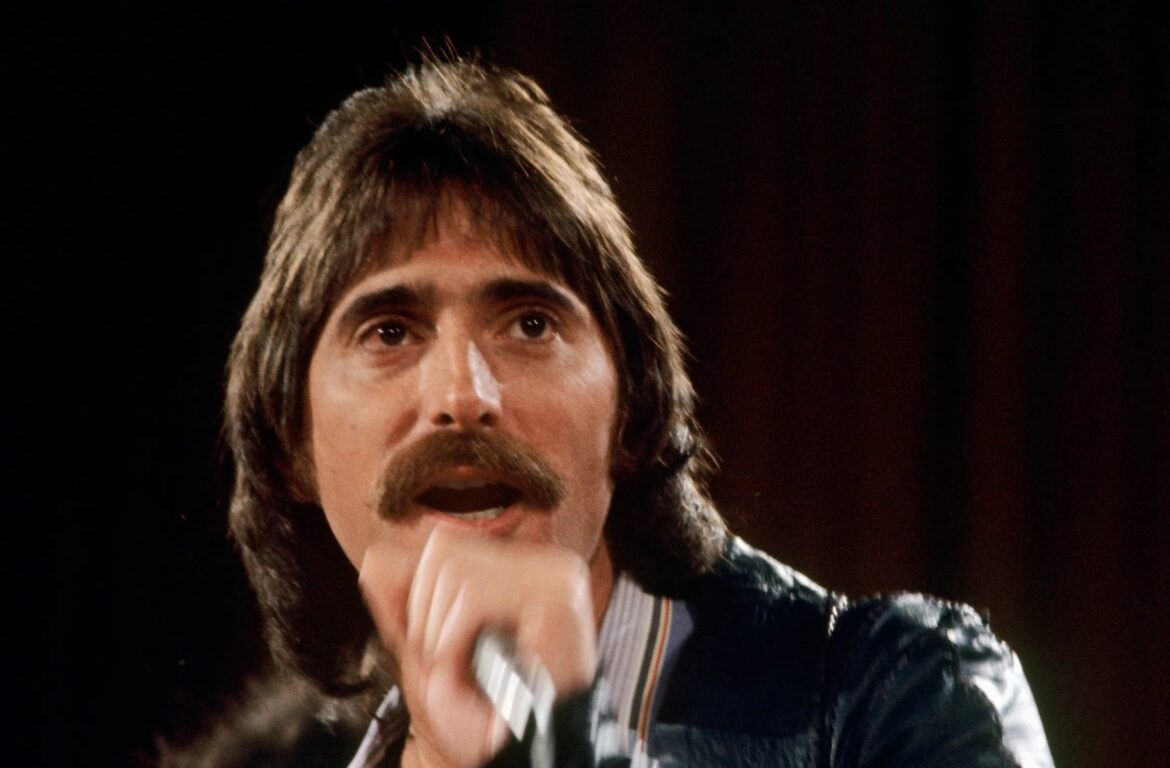
Chuck Negron was an American singer-songwriter best known as a founding member and lead vocalist of the rock band Three Dog Night.
With a soaring tenor voice that defined some of the most enduring pop-rock hits of the late 1960s and early 1970s, Negron became one of the most recognizable voices in American music. His life, marked by enormous success, devastating personal struggle, and remarkable recovery, stands as one of rock’s most powerful stories of redemption.
Early Life: From the Bronx to the West Coast
Chuck Negron was born Charles Negron II on June 8, 1942, in Manhattan, New York, and raised in the Bronx, New York, in a household influenced by music and performance. His father was a nightclub singer of Puerto Rican heritage, and young Chuck grew up surrounded by rhythm, melody, and the expressive power of voice. From childhood, he gravitated toward singing, harmonizing with friends and developing a smooth, emotional vocal style that would later become his signature.
At Taft High School, Negron stood out both musically and athletically. He was a strong basketball player and earned a scholarship that took him across the country to California. That move would change his life forever. On the West Coast, he was exposed to the rapidly evolving music scene of the 1960s, a melting pot of rock, soul, folk, and pop that was reshaping American culture.
Although his original plan was to pursue athletics, Negron found himself increasingly drawn to music. His voice, natural charisma, and instinctive sense of harmony pulled him toward performance. Soon, music eclipsed sports as his true calling.
The Birth of Three Dog Night
In Los Angeles, Chuck Negron met two other gifted singers, Danny Hutton and Cory Wells. The three shared a belief that rock music could be built not around a single frontman but around three equal lead vocalists, each bringing a unique tone and personality to the group. Their harmonies were rich, powerful, and instantly distinctive.
Initially performing under the name Redwood, the trio refined their sound in clubs and showcases. When they added a full band and signed a record deal, they renamed themselves Three Dog Night, a phrase borrowed from Indigenous Australian slang referring to nights so cold that people would sleep with three dogs for warmth.
The name was unusual, but the sound was irresistible.
Chart-Topping Success
Between 1969 and the mid-1970s, Three Dog Night became one of the most successful American rock bands of the era. They recorded more Top-40 hits than almost any other group during that period and dominated radio with a steady stream of unforgettable songs.
Unlike many bands, Three Dog Night didn’t rely heavily on writing their own material. Instead, they had an incredible talent for finding great songs by emerging songwriters and transforming them into massive hits. Their catalog included compositions by Harry Nilsson, Randy Newman, Laura Nyro, Paul Williams, and Hoyt Axton, writers whose careers were elevated by the band’s interpretations.
Chuck Negron’s voice became the emotional center of many of their biggest records:
• “Joy to the World (Jeremiah Was a Bullfrog)”, their most iconic song, featuring Negron’s joyful, instantly recognizable opening vocal.
• “One”, a haunting, minimalist ballad that became their first million-selling single.
• “Easy to Be Hard”, a soulful performance filled with emotional tension.
• “The Show Must Go On”, a dramatic and theatrical track that showcased Negron’s expressive power.
Three Dog Night became known for blending pop, rock, and soul into a sound that was both sophisticated and accessible. They sold millions of records, toured relentlessly, and were fixtures on television and in concert halls.
At their peak, they weren’t just a band, they were a cultural presence.
Fame, Pressure, and Addiction
But behind the success was a darker reality. Like many artists of the era, Chuck Negron was swept up in the excesses of the rock lifestyle. Touring nonstop, surrounded by temptation and stress, he fell into heroin addiction. What began as experimentation soon became dependency.
Negron later admitted that addiction consumed nearly everything he had, his money, his relationships, and eventually his career. At one point, he estimated that he spent nearly all his earnings on drugs. His life became unstable, and his role in the band grew strained.
By the mid-1970s, internal conflicts and burnout led to Three Dog Night’s breakup. Though the band reunited briefly in the early 1980s, Negron’s ongoing struggles eventually resulted in his departure.
At his lowest point, he found himself homeless on the streets of Los Angeles, a heartbreaking contrast to the arenas he once filled with fans.
Recovery and Reinvention
In 1991, after years of pain and failed attempts at sobriety, Chuck Negron finally achieved lasting recovery. That moment marked the turning point of his life.
Sober and determined to rebuild, Negron returned to music, not as a chart-chasing pop star, but as an artist with something real to say. He released several solo albums that reflected both his musical roots and his personal growth.
In 1999, he published his memoir, Three Dog Nightmare, a brutally honest account of fame, addiction, and redemption. The book resonated deeply with readers, especially those battling their own demons. Negron became an advocate for recovery, speaking openly about addiction and the possibility of transformation.
His message was simple and powerful: no matter how far you fall, you can come back.

Later Years and Health Challenges
In the 1990s, Chuck Negron was diagnosed with chronic obstructive pulmonary disease (COPD), a condition that gradually affected his breathing and vocal stamina. Despite this, he continued performing for many years, determined to stay connected to audiences.
As he aged, health issues compounded. By the early 2020s, touring became increasingly difficult, especially during the COVID-19 era. Still, Negron remained creatively active and emotionally engaged with fans and fellow musicians.
He also reconciled with longtime bandmate Danny Hutton after decades of estrangement, bringing closure to a complicated but important chapter of his life.
Negron spent his later years surrounded by family, including his wife, children, and grandchildren.
Legacy: A Voice That Endures
Chuck Negron’s legacy is twofold:
First, as a musician, he helped define the sound of a generation. Three Dog Night’s songs remain staples of classic-rock radio, films, commercials, and playlists around the world. His voice on “Joy to the World” is instantly recognizable, bright, soulful, and full of life.
Second, as a human being, his story offers something even more powerful, proof that redemption is possible.
Negron didn’t hide his failures. He confronted them. He told the truth. And in doing so, he gave hope to countless others struggling with addiction, regret, or lost direction.
He wasn’t just a hitmaker.
He was a survivor.
Death and Final Reflections
Chuck Negron died on February 2, 2026, at the age of 83.
His death marked the end of a remarkable life that spanned fame, collapse, and renewal.
He leaves behind a catalog of music that continues to bring joy, and a life story that continues to inspire.
Conclusion
Chuck Negron’s journey, from a Bronx kid with a dream, to a global rock star, to a man fighting for his life, and finally to a voice of recovery and truth, stands as one of the most human stories in music history.
He gave the world unforgettable songs.
But more importantly, he showed that even after the music fades, the story can still matter.
Chuck Negron wasn’t just the voice of Three Dog Night.
He was the sound of survival.
Check out Chuck Negron on Amazon by clicking here.
Check out Three Dog Night on Amazon by clicking here.
If you found this interesting please share it with your friends and family, and check out some of our other articles on Musicians who Died in 2026.
.
