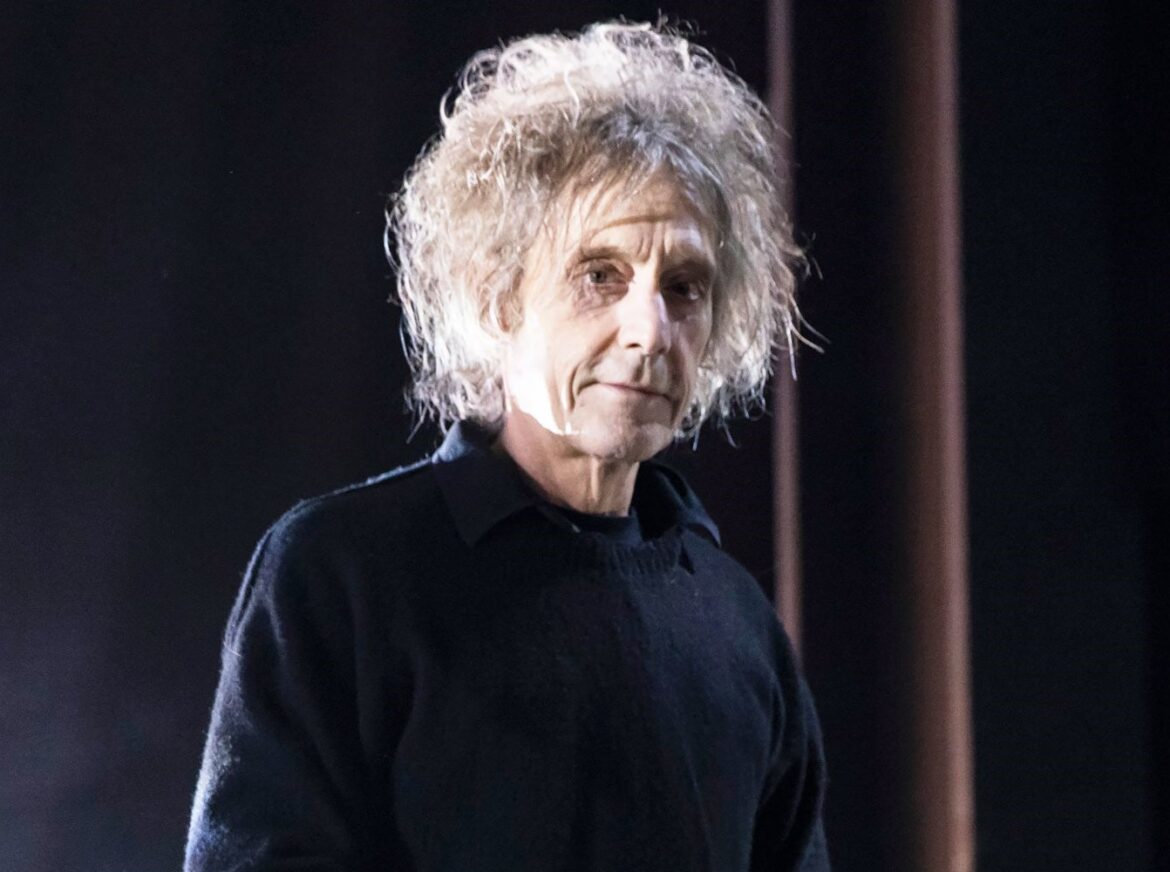
Perry Bamonte was an English musician and visual artist whose work occupies a distinctive place in the history of alternative music. Best known as a guitarist and keyboardist for the Cure during two significant eras, first from 1990 to 2005, and later from 2022 to 2025.
Bamonte played a crucial role in shaping the band’s evolving sound during periods of transition, experimentation, and renewal. Beyond his work with the Cure, he was also the bassist for Love Amongst Ruin, a project that highlighted his melodic sensibilities and understated emotional depth. Across decades of music-making, Bamonte remained a quietly influential figure: less visible than some of his peers, yet deeply respected for his musicianship, adaptability, and artistic integrity.
Early Life and Artistic Formation
Perry Bamonte was born on September 3, 1960, in England, and grew up during a time when British popular music was undergoing radical transformation. The post-punk explosion of the late 1970s and early 1980s created a fertile environment for young musicians drawn to experimentation, atmosphere, and emotional expression rather than virtuosity alone. Bamonte came of age amid these shifting cultural currents, absorbing influences from punk, new wave, art rock, and emerging alternative scenes.
Although not initially positioned as a frontman or public figure, Bamonte developed a broad musical skill set early on. He was drawn to texture and mood as much as melody, cultivating an approach that emphasized subtlety and emotional resonance. This sensibility would later prove especially well suited to the Cure’s aesthetic, where soundscapes, layered arrangements, and emotional nuance mattered as much as hooks or solos.
In addition to music, Perry Bamonte showed a strong interest in visual art. This dual engagement—with sound and image—shaped his creative worldview. Like many artists associated with the Cure’s orbit, he understood music not merely as entertainment but as part of a broader artistic expression, one that included visual symbolism, atmosphere, and mood.
Entering the Cure’s World
Perry Bamonte’s association with the Cure began before his official membership. In the late 1980s, he worked closely with the band as a guitar technician, a role that placed him inside the band’s creative ecosystem. This behind-the-scenes position allowed him to observe the group’s working methods at close range, from studio experimentation to the demands of large-scale touring.
This apprenticeship-like period was significant. Bamonte became intimately familiar with the Cure’s catalog, equipment, and sonic philosophy. More importantly, he developed a working relationship with Robert Smith and the rest of the band based on trust, musical empathy, and shared aesthetic values. When the Cure underwent lineup changes around the turn of the 1990s, Bamonte was a natural choice to step into a more visible role.
In 1990, he officially joined the Cure as a guitarist and keyboardist, entering the band during a particularly high-profile and creatively expansive phase. The Cure were already internationally renowned, but they were also in flux, searching for new textures and approaches that could sustain their artistic relevance.
The Cure, 1990–2005: Texture, Atmosphere, and Reinvention
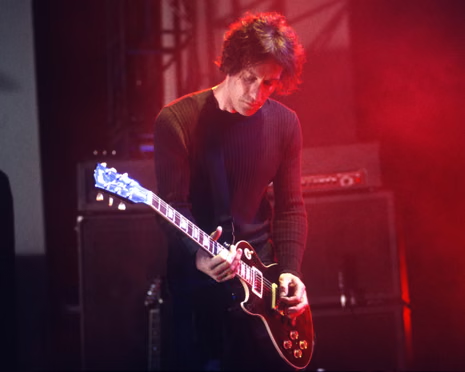
Perry Bamonte’s first tenure with the Cure spanned fifteen years, from 1990 to 2005, a period marked by both commercial success and stylistic exploration. Rather than radically altering the band’s identity, Bamonte contributed in ways that deepened and refined it. His guitar work often emphasized color and atmosphere over dominance, blending seamlessly with the Cure’s layered arrangements.
As a keyboardist, Bamonte helped expand the band’s sonic palette. The Cure’s music has long relied on a balance between organic instrumentation and electronic elements, and Bamonte’s ability to move fluidly between guitar and keyboards made him an invaluable asset. His contributions were particularly well suited to the band’s live performances, where recreating the richness of studio recordings required versatility and precision.
.
During this era, the Cure released albums that continued to explore themes of love, loss, melancholy, and existential reflection. Bamonte’s playing supported these themes without overshadowing them, reinforcing his reputation as a musician who served the song above all else. On stage, he became a familiar presence to fans worldwide, participating in extensive tours that cemented the Cure’s reputation as one of the most enduring live acts of their generation.
Despite being part of a globally successful band, Perry Bamonte maintained a relatively low public profile. He was not known for flamboyance or overt self-promotion. Instead, his contributions were felt in the cohesion and emotional impact of the music, qualities that fans often recognized intuitively even if they could not always attribute them to a single band member.
Departure and Life Beyond the Cure
In 2005, Perry Bamonte left the Cure, marking the end of a significant chapter in his career. His departure coincided with broader changes within the band, and while such transitions are often accompanied by speculation, Bamonte moved forward without public acrimony or controversy. His exit reflected a personal and artistic shift rather than a dramatic rupture.
In the years following his departure, Bamonte continued to pursue creative work across multiple disciplines. He remained active as a musician, collaborating with others and exploring new projects that allowed him greater autonomy. This period also saw him devote more attention to visual art, reinforcing the idea that his creative identity extended well beyond any single band affiliation.
Love Amongst Ruin: A Different Voice
One of Perry Bamonte’s most notable post-Cure endeavors was Love Amongst Ruin, a project in which he served as bassist. This role highlighted a different side of his musicianship. Whereas his work with the Cure often involved layering and textural support, his bass playing in Love Amongst Ruin was more foundational, anchoring the music’s emotional core.
Love Amongst Ruin occupied a space adjacent to, but distinct from, the Cure’s sound. The project leaned into introspection and atmosphere while allowing for a more stripped-back, intimate approach. Bamonte’s bass lines were melodic without being intrusive, reinforcing his reputation as a musician with an instinctive sense of balance.
This project underscored Bamonte’s versatility. Few musicians transition so fluidly between instruments and roles without losing their distinctive voice. In Love Amongst Ruin, Bamonte demonstrated that his artistic identity was not tied to a single instrument or band, but rather to a broader sensibility rooted in mood, restraint, and emotional honesty.
Return to the Cure, 2022–2025
In 2022, Perry Bamonte rejoined the Cure, marking a return that was greeted with enthusiasm by long-time fans. His reappearance came during a period when the band was reflecting on its legacy while still actively creating and performing. Bamonte’s return was not merely nostalgic; it reaffirmed his enduring compatibility with the Cure’s evolving sound.
During this second tenure, which lasted until 2025, Bamonte brought with him decades of experience and perspective. His playing carried a sense of maturity and quiet authority, reinforcing the emotional weight of the band’s later performances. For audiences, seeing Bamonte back on stage symbolized continuity—an acknowledgment of the band’s history without being constrained by it.
This final period with the Cure also highlighted Bamonte’s resilience as an artist. Rather than being defined solely by his earlier contributions, he demonstrated that his musical voice remained relevant and vital well into the later stages of his career.
Visual Art and Broader Creativity
Alongside his musical work, Perry Bamonte was a practicing visual artist. His artwork often echoed the themes present in his music: ambiguity, emotional depth, and a fascination with mood and texture. While his visual art did not achieve the same level of mainstream visibility as his music, it was an essential part of his creative life.
For Bamonte, art was not compartmentalized. Music, visual imagery, and atmosphere formed an interconnected whole. This holistic approach aligned closely with the Cure’s broader aesthetic, which has long integrated visual presentation, album artwork, and stage design into its musical identity.
Personality and Legacy
Perry Bamonte was widely regarded as a thoughtful, reserved, and deeply committed artist. He avoided celebrity culture and remained focused on the work itself, earning the respect of peers and fans alike. His career exemplified the value of collaboration, adaptability, and humility in an industry often dominated by ego.
Although not always in the spotlight, Bamonte’s influence can be felt in the texture and emotional resonance of the music he helped create. He stands as an example of the indispensable “architect” musician—someone whose contributions shape the whole even when they are not immediately obvious.
Conclusion
Perry Bamonte’s life and career reflect a rare balance of consistency and evolution. From his early immersion in Britain’s alternative music scene, through his pivotal years with the Cure, to his work with Love Amongst Ruin and his eventual return to the Cure, Bamonte remained true to an artistic vision centered on mood, subtlety, and emotional truth.
Perry Bamonte died after a short illness at home in the South West of England, on 24 December 2025, at the age of 65.
While he may never have sought widespread recognition, his work continues to resonate with listeners who value depth, atmosphere, and authenticity. In the history of alternative music, Perry Bamonte occupies a quietly essential place—a musician and artist whose legacy lies not in spectacle, but in the enduring emotional power of the art he helped bring into being.
Check out Perry Bamonte on Amazon by clicking here.
Check out The Cure on Amazon by clicking here.
If you found this interesting please share it with your friends and family, and check out some of our other articles on Musicians who Died in 2025.
.
