Jim McBride’s name may not always have been the first spoken when people listed the giants of country music, but few songwriters shaped the emotional language of the genre more deeply.
Over a career spanning five decades, McBride wrote five number-one hits, ten Top 10 singles, and eighteen songs that reached the Top 40 on the country charts. His work defined the sound of multiple eras, from the outlaw-tinged 1970s to the polished radio country of the 1990s and early 2000s.
In 2017, the Nashville Songwriters Hall of Fame recognized his enduring influence, cementing his place among the architects of modern country music.
McBride was not a flashy figure. He rarely chased celebrity, preferring the songwriter’s life-long days with a guitar, a legal pad, and a quiet instinct for what listeners felt but couldn’t always say. Yet behind the scenes, artists, producers, and fellow writers knew him as a master craftsman: someone who understood how to turn everyday moments into lines that felt timeless.
Early Life and Musical Roots
Jim McBride was born Jimmy Ray McBride on April 28, 1947, in rural Tennessee, not far from the musical heartland that would later define his career. His childhood was shaped by working-class realities, long hours, modest means, and strong family ties. Music was woven into daily life. The radio was always on: Hank Williams, Patsy Cline, Lefty Frizzell, and the emerging sounds of George Jones and Merle Haggard filled the house.
His father played a little guitar, and his mother loved to sing in church. Jim learned early that music wasn’t just entertainment, it was storytelling. The songs he heard growing up weren’t about glamour; they were about heartbreak, loyalty, pride, regret, and survival. Those themes would later become the emotional backbone of his own writing.
As a teenager, Jim McBride began writing simple songs on a battered acoustic guitar. He wasn’t trained in theory; he learned by ear. He studied the way classic country songs balanced plain language with poetic weight. Even then, he had a knack for finding the line that made people stop and say, “That’s exactly how it feels.”
The Move to Nashville
In the late 1960s, McBride made the leap that thousands of aspiring writers have made: he packed up and moved to Nashville. The city was already known as the center of the country music business, but it was also fiercely competitive. For every success story, there were dozens of writers who never got a cut.
Jim McBride worked odd jobs, loading equipment, waiting tables, driving delivery trucks, while trying to get into writing rooms and publisher offices. His early years were full of rejection. Demos went unheard. Publishers passed. But McBride didn’t chase trends. Instead, he refined his voice: honest, conversational, emotionally grounded.
His breakthrough came in the mid-1970s when one of his songs was picked up by a rising artist. It didn’t hit number one, but it charted, and more importantly, it got his name on the radar. From there, his reputation grew quietly. Other writers wanted to co-write with him. Artists began requesting him by name.
Crafting Hits: The McBride Style
Jim McBride’s songwriting style was deceptively simple. He favored:
• Clear emotional arcs
• Everyday language
• Strong narrative structure
• Memorable but understated hooks
He believed that a song should feel inevitable, like there was no other way it could have been written. He once said in an interview that his job was “to get out of the song’s way.”
Jim McBride’s first number-one hit came in 1981 with the song “Bet Your Heart on Me,” which was recorded by country artist Johnny Lee and reached No. 1 on the Billboard Hot Country Singles chart. The track climbed slowly but steadily to the top of the charts, and when it stayed there, McBride finally felt like he had arrived.
.
Over the next two decades, McBride became one of Nashville’s most reliable hitmakers. His songs weren’t novelty records. They were emotional anchors, songs people played during breakups, long drives, late nights, and quiet mornings.
Major Career Achievements
By the time he reached the peak of his career, Jim McBride had achieved:
• Five Number One Songs
• Ten Top 10 Singles
• Eighteen Top 40 Hits
His songs were recorded by some of the biggest names in country music artists including Alan Jackson, Johnny Lee, Johnny Cash, Reba McEntire, George Jones, Waylon Jennings, Willie Nelson, Alabama, Toby Keith, Kris Kristofferson, Patty Loveless, Charley Pride, Randy Travis, Jerry Lee Lewis, Crystal Gayle, Diamond Rio, Lonestar, Trace Adkins, Vern Gosdin, Jack Greene, Wade Hayes, Johnny Paycheck, Pam Tillis, Conway Twitty and Keith Whitley.
He didn’t write for image. He wrote for truth. That’s why his work translated across generations.
Some of his most well-known songs explored themes like:
• The quiet end of a relationship
• The ache of missed chances
• Loyalty and betrayal
• The dignity of everyday people
• The passage of time
Even when he wrote upbeat material, there was always an emotional undercurrent.
A Writer Among Writers
In Nashville, Jim McBride was known as a “writer’s writer.” He didn’t talk much about himself, but he listened closely. Younger writers learned from him not by lectures but by example, how he shaped verses, where he placed a chorus, how he cut a line down to its emotional core.
He was also generous. When someone new came into town, McBride would invite them into a session if he saw potential. He believed that the community survived by passing the torch.
Unlike many successful songwriters, McBride never became cynical. Even late in his career, he showed up excited to write. He still brought in new ideas. He still chased the feeling of getting a song right.
Induction into the Nashville Songwriters Hall of Fame
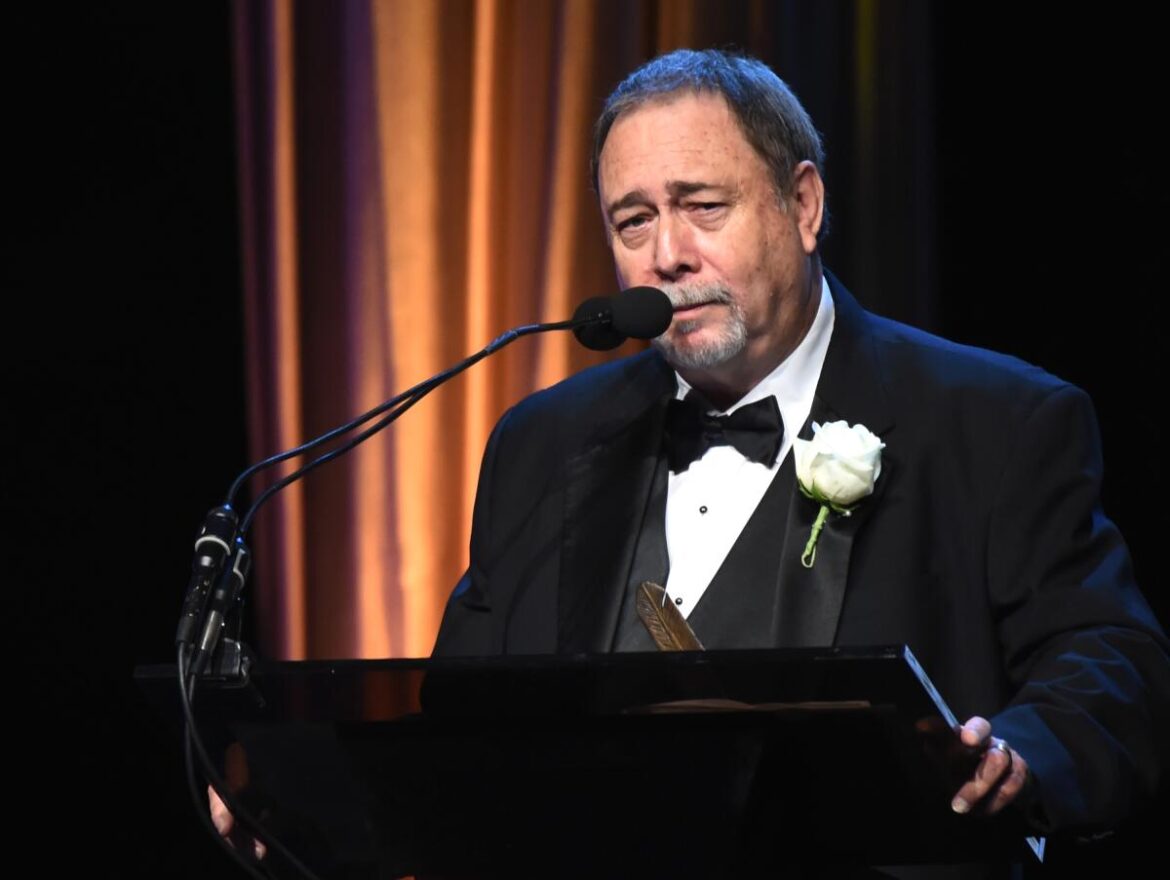
In 2017, Jim McBride was inducted into the Nashville Songwriters Hall of Fame, one of the highest honors in the profession. The induction recognized not just his chart success, but his lasting artistic contribution.
During his induction speech, McBride thanked:
• His family
• His co-writers
• The artists who trusted his songs
• The city of Nashville
He spoke briefly and humbly, saying he was “just a guy who loved writing songs and got lucky enough to do it for a living.”
Those who knew him understood that luck had very little to do with it. His career was built on discipline, emotional intelligence, and decades of work.

Later Years and Continued Influence
Even after the peak chart years, Jim McBride never stopped writing. He adapted to changes in the industry including streaming, digital distribution, younger artists. While radio trends shifted, his core values remained the same: honesty over hype.
He also mentored younger writers and occasionally taught workshops. His advice was simple:
• Don’t write what you think will sell, write what you feel
• Listen more than you talk
• Rewrite until the song tells the truth
He was deeply respected across generations.
Death and Legacy
Jim McBride passed died January 7, 2026, at the age of 78. His death marked the end of a quiet but powerful chapter in American songwriting history.
Tributes poured in from artists, producers, and fellow writers. Many said the same thing:
“Jimmy made me a better songwriter.”
“Jimmy taught me how to listen.”
“Jimmy wrote songs that still feel alive.”
His legacy lives not only in awards and charts but in the way his songs continue to resonate. They still play on radios, playlists, and jukeboxes. They still find people when they need them most.
Conclusion: A Life in Lines and Melodies
Jim McBride’s career is a testament to the power of craft over flash. He didn’t seek fame. He sought truth. And through that pursuit, he helped shape the emotional voice of country music for generations.
He wrote about love when it was hard.
He wrote about loss when it was quiet.
He wrote about people who didn’t think anyone would write about them.
In doing so, he gave listeners something rare: songs that felt like mirrors.
Jim McBride may be gone, but his words remain, sung in kitchens, on highways, in lonely rooms, and in joyful moments. That is the highest legacy a songwriter can leave.
Check out some great Country Music on Amazon by clicking here.
If you found this interesting please share it with your friends and family, and check out some of our other articles on Musicians who Died in 2026.
.
