John Forté: A Life in Hip-Hop, Art, and Resilience
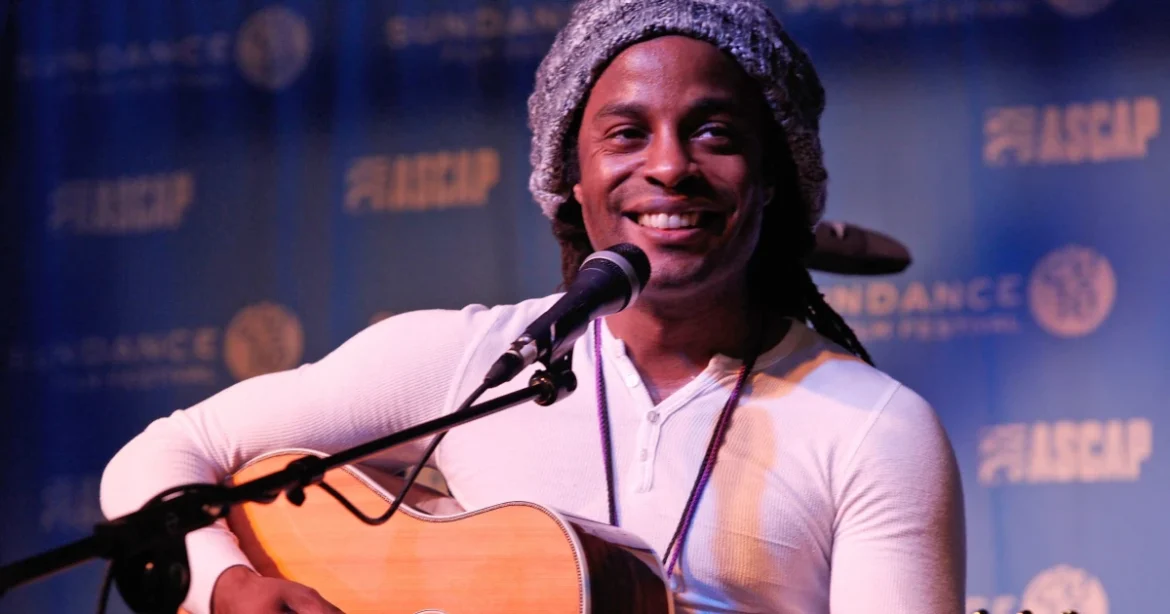
John Forté was an American rapper, record producer, songwriter, and creative force whose influence extended far beyond the microphone. Best known for his work with the Refugee Camp All-Stars and his pivotal role in the creation of The Score by the Fugees.
Forté helped shape one of the most important eras in 1990s hip-hop. His life story is one of extraordinary talent, devastating setbacks, and powerful reinvention, an arc that made him not only an artist, but a symbol of resilience.
Early Life and Musical Foundations
John Forté was born on January 30, 1975, in Brooklyn, New York, and raised in New Jersey. From a young age, he showed an unusual sensitivity to music and storytelling. Unlike many rappers who began their journey strictly through street cyphers and battle culture, Forté was equally influenced by folk, soul, jazz, and singer-songwriters. He grew up listening to artists like Bob Dylan, Curtis Mayfield, Marvin Gaye, and the Beatles, musicians whose work emphasized emotional depth and narrative.
His upbringing nurtured both intellectual curiosity and creative expression. Forté attended private schools and later studied music and film, which gave him a broader artistic framework than many of his peers. This blend of classical education and street-level awareness became one of his defining traits: he could write poetic, introspective lyrics while still commanding respect in hip-hop’s competitive environment.
Joining the Refugee Camp All-Stars
John Forté’s life changed dramatically when he crossed paths with Wyclef Jean and Pras Michel in the mid-1990s. This connection brought him into the Refugee Camp All-Stars, the extended musical collective surrounding the Fugees. The group wasn’t just a band, it was a creative movement that blended hip-hop, reggae, soul, and global influences into something both accessible and innovative.
Within Refugee Camp, Forté became known for his versatility. He was not just a rapper, but also a writer, producer, and conceptual contributor. His calm, reflective delivery contrasted with the intensity of Wyclef’s energy and the smooth charisma of Lauryn Hill. Forté added emotional weight and philosophical depth to the collective’s sound.
Breakthrough: The Score and Hip-Hop History
In 1996, the Fugees released The Score, an album that would go on to become one of the most celebrated hip-hop records of all time. John Forté played a significant behind-the-scenes role in its production and songwriting. The album blended sharp political commentary with soulful hooks and global rhythms, redefining what mainstream rap could be.
The Score received critical acclaim and commercial success, selling millions of copies worldwide. It earned Forté a Grammy Award nomination, cementing his place in hip-hop history. Though not always in the spotlight, his contributions were deeply woven into the album’s DNA.
Two of Forté’s most visible collaborations from this era were:
• “We Trying to Stay Alive” with Wyclef Jean – a gritty, introspective track about survival and purpose.
• “Rumble in the Jungle” – a powerhouse collaboration with the Fugees, A Tribe Called Quest, and Busta Rhymes that brought together some of the most influential voices in hip-hop.
These songs showcased Forté’s ability to hold his own among legends while maintaining a distinct, thoughtful voice.
Poly Sci: A Debut Album with Depth
In 1998, John Forté released his debut studio album, Poly Sci. Unlike many rap debuts focused on bravado or commercial appeal, Poly Sci was introspective and experimental. The album explored themes of identity, ambition, spirituality, and struggle. Musically, it blended boom-bap, jazz-influenced beats, and melodic hooks.
.
Tracks from Poly Sci revealed Forté’s unique personality: intelligent, searching, and emotionally honest. He rapped about love, fear, confusion, and hope with a vulnerability that was still rare in late-1990s hip-hop.
Though the album didn’t achieve massive commercial success, it was respected in underground circles and solidified Forté as an artist’s artist, someone more concerned with meaning than metrics.
Legal Trouble and Imprisonment
In 2000, just as Forté’s career seemed poised to expand, he was arrested and later convicted on drug-related charges. He was sentenced to a mandatory minimum 14 year federal prison term.
For Forté, this was a devastating turn. From Grammy-nominated producer to federal inmate, his life changed overnight. He was removed from the music industry and placed into one of the harshest environments imaginable.
Yet prison did not destroy his creativity, it transformed it.
Creativity Behind Bars
During his years of incarceration, John Forté refused to let his spirit collapse. Instead, he turned inward and began writing constantly: lyrics, poetry, journals, and reflections. He studied philosophy, literature, and spirituality. He used music as survival.
Despite limited resources, Forté managed to create and record music from prison. His voice reached the outside world through collaborations and remote recordings. These songs carried a raw emotional weight, no longer just the perspective of an artist, but of a man confronting isolation, regret, and hope.
His story began to resonate with people beyond hip-hop. He became a symbol of the human cost of mass incarceration and the power of second chances.
Clemency and Return to the World
In 2008, after years of advocacy from artists, activists, and supporters, John Forté received executive clemency. His release was celebrated across the music and cultural world. His freedom was not just a legal victory, it was a moral one, representing the belief that people are more than their worst mistakes.
Upon re-entering society, Forté didn’t rush back into fame. Instead, he focused on healing, reconnecting, and redefining his purpose.
Reinvention: Music, Art, and Storytelling
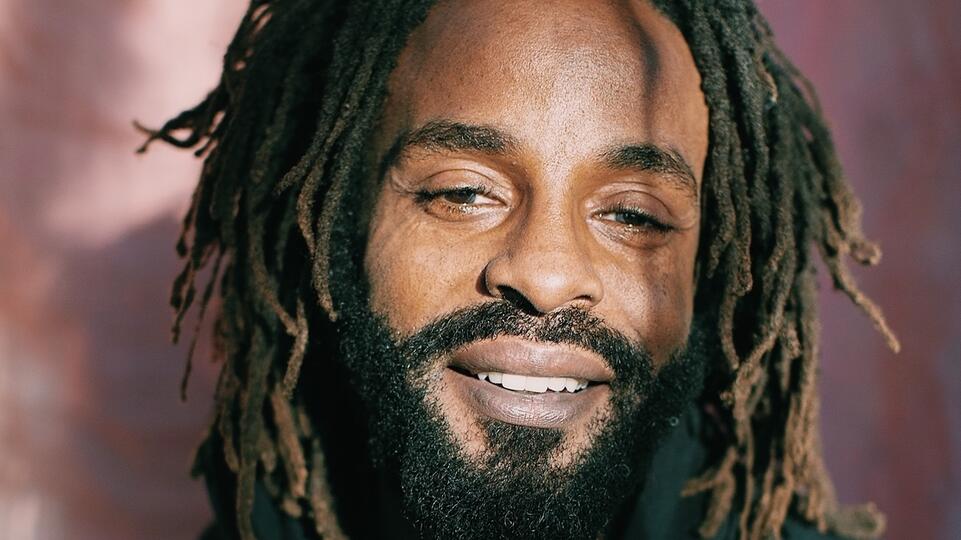
After his release, John Forté entered a new creative phase. His music became more acoustic, soulful, and reflective. He embraced live instrumentation and folk-influenced arrangements, blending hip-hop roots with singer-songwriter sensibilities.
He released new projects that explored themes of redemption, loss, freedom, and identity. His voice, aged by experience, carried deeper resonance. He no longer rapped to impress; he sang and spoke to connect.
Beyond music, Forté expanded into:
• Film and television scoring
• Visual art and multimedia projects
• Public speaking and activism
He told his story not as a cautionary tale alone, but as a message of transformation.
Influence and Legacy
John Forté’s legacy is not just in the songs he helped create—it’s in the life he lived after everything fell apart. He represented a rare kind of artist: one who combined intellect, vulnerability, and courage.
His influence can be felt in artists who blur the lines between rap and soul, street and poetry, performance and philosophy. He showed that hip-hop could hold complexity, contradiction, and compassion.
He was never simply a producer or rapper. He was a thinker. A survivor. A storyteller.
Final Years and Passing
John Forté died on January 12, 2026, at the age of 50. His death marked the end of a life that had contained multiple lifetimes within it, fame, loss, confinement, rebirth, and artistic freedom.
He is remembered as a man who turned pain into art, mistakes into meaning, and music into testimony.
Conclusion
John Forté’s life was not a straight line, it was a journey through extremes. From the heights of The Score to the depths of prison, and back into the light of creative renewal, he embodied the idea that art can save a life.
He leaves behind a body of work and a story that will continue to inspire musicians, writers, and anyone searching for redemption.
John Forté didn’t just make music.
He lived it.
Check out John Forté on Amazon by clicking here.
If you found this interesting please share it with your friends and family, and check out some of our other articles on Musicians who Died in 2026.
.
