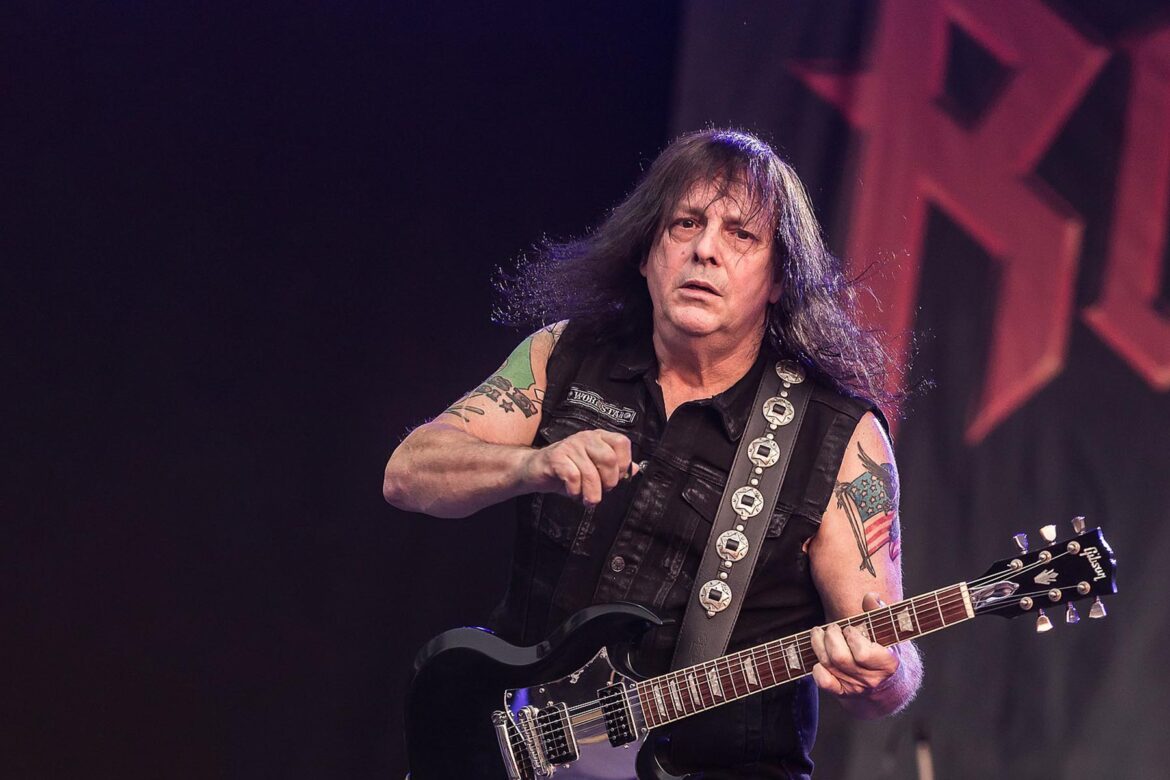
Ross the Boss was a pioneering American guitarist whose influence spanned both punk rock and heavy metal. As a founding member of two highly influential bands, the Dictators and Manowar, he carved out a unique place in music history.
His aggressive playing style, unmistakable tone, and unwavering commitment to authenticity helped define entire genres and inspired generations of musicians.
Ross the Boss was born Ross Friedman in New York City in 1954, and grew up in an environment steeped in cultural diversity and artistic energy. The city’s vibrant music scene during the 1960s and early 1970s played a crucial role in shaping his musical identity. From an early age, Friedman displayed a deep fascination with guitar-driven music, drawing inspiration from the raw power of rock and roll as well as the emerging underground scenes that would later evolve into punk.
Early Years
Friedman’s early musical influences ranged from classic rock guitarists to proto-punk acts that emphasized attitude over technical perfection. He developed a playing style that blended precision with grit, fast, loud, and unapologetically bold. This approach would become his signature and serve as a bridge between the rebellious spirit of punk and the theatrical intensity of heavy metal.
The Dictators
In the early 1970s, Ross the Boss co-founded the Dictators, a band that is often credited as one of the earliest pioneers of punk rock. At a time when the genre had yet to be fully defined, the Dictators combined elements of garage rock, glam, and hard rock with irreverent humor and a rebellious edge. Their debut album, released in 1975, stood out for its raw energy and satirical lyrics, setting the stage for what would later become the punk movement.
Ross the Boss’s guitar work in the Dictators was a driving force behind the band’s sound. His riffs were loud, catchy, and aggressive, capturing the chaotic spirit of New York’s underground scene. Unlike many of his contemporaries, he brought a level of technical skill that elevated the music without sacrificing its rawness. This balance helped the Dictators stand apart from other early punk acts and earned them a cult following.
Although the Dictators never achieved massive commercial success during their initial run, their influence on the development of punk rock cannot be overstated. Bands that emerged in the late 1970s and early 1980s drew heavily from the blueprint that Friedman and his bandmates had established. The group’s fearless approach to music and performance laid the groundwork for countless artists who would follow.
Manowar
In the late 1970s, Ross the Boss made a dramatic shift in musical direction when he co-founded Manowar, a band that would become synonymous with epic heavy metal. This transition might have seemed unexpected, but it showcased Friedman’s versatility and his ability to adapt his playing style to different musical contexts. While punk emphasized raw simplicity, Manowar embraced grandeur, mythology, and technical precision.
.
As the lead guitarist of Manowar, Ross the Boss helped define the band’s signature sound, powerful, melodic, and larger than life. His guitar work featured soaring solos, thunderous riffs, and a sense of drama that perfectly complemented the band’s themes of heroism, battle, and fantasy. Albums released during his tenure with the band became landmarks in the heavy metal genre, influencing a wide range of artists and solidifying Manowar’s reputation as one of the most dedicated and uncompromising metal bands in the world.
One of Friedman’s greatest strengths was his ability to connect with audiences on a visceral level. Whether performing in small clubs or massive arenas, he brought an intensity and passion that resonated with fans. His stage presence, commanding yet genuine, helped establish him as a central figure in both the punk and metal communities.
Despite his success with Manowar, Ross the Boss eventually parted ways with the band in the late 1980s. However, his departure did not mark the end of his musical journey. Instead, it opened the door to a wide range of projects and collaborations that allowed him to explore new creative avenues.
Ross the Boss Solo career
Throughout the 1990s and 2000s, Ross the Boss remained an active and respected figure in the music world. He worked with various bands, contributed to recordings, and continued to perform live. His reputation as a skilled guitarist and a passionate performer ensured that he remained in demand, even as musical trends shifted.
In the 2000s, Friedman experienced a resurgence in popularity through his solo career under the name Ross the Boss. Releasing albums that paid homage to classic heavy metal while incorporating modern elements, he reintroduced himself to both longtime fans and a new generation of listeners. These recordings showcased his enduring talent and reaffirmed his status as a master of his craft.
Ross the Boss’s solo work often reflected his deep appreciation for the roots of heavy metal. Rather than chasing trends, he stayed true to the sound and spirit that had defined his earlier career. This authenticity resonated with fans who valued the genre’s traditional elements and helped cement his legacy as a torchbearer for classic metal.
Role as a Mentor
In addition to his work as a performer, Friedman also played a role as a mentor and inspiration to younger musicians. Many aspiring guitarists looked up to him not only for his technical abilities but also for his dedication to artistic integrity. He demonstrated that it was possible to evolve as an artist without losing sight of one’s identity.
Over the course of his career, Ross the Boss’s contributions to music were recognized by both fans and critics. While he may not have always received mainstream accolades, his impact on the development of punk rock and heavy metal was widely acknowledged within the music community. He was often cited as a key figure in the evolution of both genres, a rare distinction that highlighted his unique position in music history.
Ross the Boss’s influence extended beyond his recordings and performances. His approach to music, earless, uncompromising, and deeply passionate, served as a guiding principle for many artists. He believed in the power of music to bring people together and to express ideas that could not be conveyed through words alone.
.
Later years
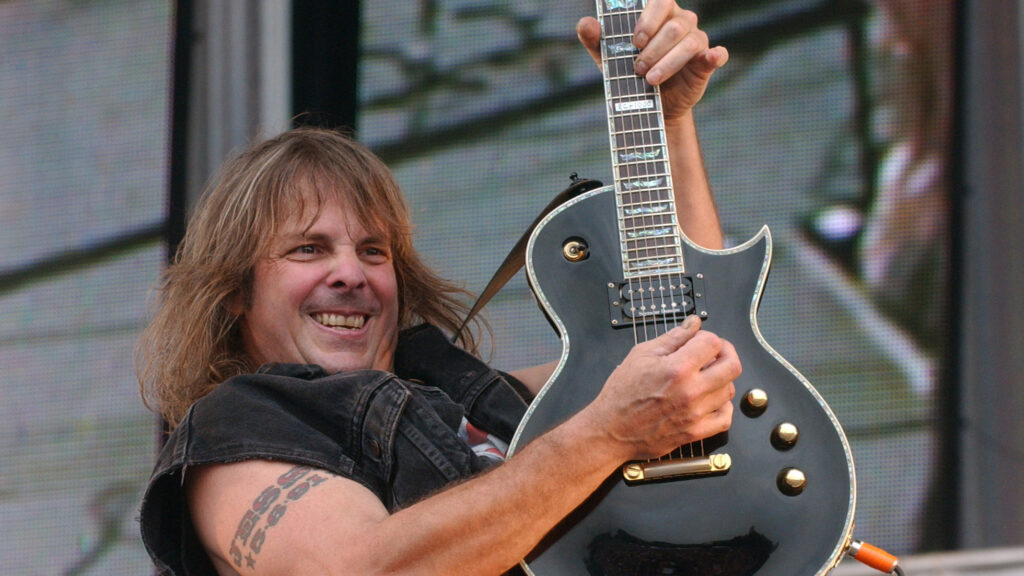
In his later years, Friedman continued to perform and record, demonstrating a level of energy and enthusiasm that belied his age. He remained committed to his craft, consistently delivering high-quality performances and engaging with fans around the world. His dedication to music was evident in every note he played.
Ross the Boss died on March 26, 2026, at the age of 72. His death marked the end of an era, but his legacy lives on through the music he created and the countless artists he influenced.
His legacy is one of innovation and authenticity. As a member of the Dictators, he helped lay the foundation for punk rock, a genre that would go on to shape the cultural landscape in profound ways. As a member of Manowar, he contributed to the development of heavy metal, pushing the boundaries of what the genre could achieve.
What set Friedman apart was his ability to excel in two seemingly different musical worlds. Punk and heavy metal, while sharing some common roots, often occupy distinct spaces within the broader rock spectrum. Yet Friedman navigated both with ease, bringing his unique voice and perspective to each.
In many ways, Ross the Boss embodied the spirit of rock and roll itself—rebellious, passionate, and unapologetically bold. He never compromised his vision, and he remained true to his artistic principles throughout his career. This unwavering commitment earned him the respect of his peers and the admiration of fans.
Today, his music continues to inspire new generations of listeners and musicians. Whether through the raw energy of his early work or the epic grandeur of his later recordings, Ross the Boss’s influence can still be felt. His contributions serve as a reminder of the power of music to transcend boundaries and to leave a lasting impact.
In remembering Ross the Boss, we celebrate not only a talented guitarist but also a pioneer who helped shape the sound of modern rock music. His journey, from the gritty streets of New York to stages around the world, is a testament to the enduring power of creativity and determination.
Check out The Dictators on Amazon by clicking here.
Check out Manowar on Amazon by clicking here.
If you found this interesting please share it with your friends and family, and check out some of our other articles on Musicians who Died in 2026.
.
