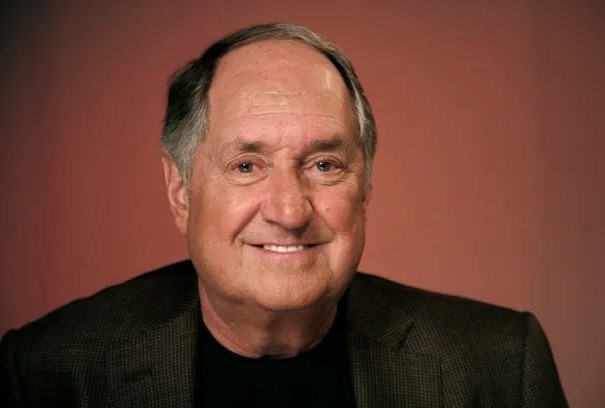
Pianist. Songwriter. Pop star. Cultural icon.
Neil Sedaka’s six-decade career, from Brill Building innovator to enduring pop legend, reflects not only his extraordinary versatility but also the evolving arc of popular music itself. Above all, Sedaka was a master of melody whose songs resonated deeply across generations.
Early Life and Musical Roots
Neil Sedaka was born on March 13, 1939, in Brooklyn, New York, and was immersed in music from a young age. A prodigy at piano, he was accepted into the Preparatory Division of the Juilliard School, where he studied classical piano — an education that profoundly shaped his approach to melody and harmony throughout his entire career.
In high school at Abraham Lincoln High School in Brooklyn, a pivotal friendship began with lyricist Howard Greenfield. Their collaboration became the foundation of Sedaka’s early songwriting success and helped define the Brill Building sound: a perfect blend of melodic sophistication and youthful appeal.
Breakthrough: Teen Idol and Brill Building Hitmaker
Neil Sedaka’s breakthrough came in the late 1950s when he signed with RCA Victor. From 1959 onward, a cascade of hits built his reputation:
- “Oh! Carol” — an affectionate, clever tune reportedly inspired by then-friend Carole King.
- “Calendar Girl” — a catchy, upbeat celebration of romance that became an international staple.
- “Happy Birthday Sweet Sixteen” — capturing youthful excitement and nostalgia.
- “Breaking Up Is Hard to Do” — his signature song, topping the Billboard Hot 100 in 1962 with a bright, irresistible rhythm.
Sedaka stood out from many of his peers because he wrote much of his own material — not only for himself but also for other artists, such as
Connie Francis’ “Stupid Cupid” and Jimmy Clanton’s “Venus in Blue Jeans.”
Critical and Commercial Peak: Style and Impact
Songwriting Craft
Neil Sedaka’s music was distinguished by unforgettable hooks and structural clarity. His classical training informed his gift for memorable melody lines, while his partnership with Howard Greenfield ensured lyrics that perfectly matched his tunes.
Music critics and historians often point to Sedaka as a central figure in the Brill Building era — the period in which professional songwriters crafted some of the most enduring classics of the early rock and roll and pop era.
Challenges and Shifts: The British Invasion
By the mid-1960s, the American pop landscape had shifted. The rise of The Beatles and other British Invasion acts temporarily pushed older-style pop stylists off the charts.
Even as Sedaka’s own chart presence waned in the U.S., he remained prolific and relevant in Europe and Australia, continuing to write and collaborate with artists across genres.
1970s: A Remarkable Comeback
Neil Sedaka’s greatness is also marked by his ability to reinvent himself. In the 1970s, with the encouragement of iconic artist Elton John — who signed him to Rocket Records — Sedaka staged one of the most successful comebacks in pop history.
His 1975 hit “Laughter in the Rain” soared to No.-1 on the Billboard Hot 100, marking his triumphant return to mainstream fame. That same year, Sedaka achieved the extraordinary feat of taking a new, slower rendition of “Breaking Up Is Hard to Do” into the Top 10 — demonstrating not just versatility but the timeless strength of his compositions.
Other major hits of this era included:
- “Bad Blood” — a chart-topping powerhouse featuring Elton John on backing vocals.
- “The Immigrant” — a thoughtful tribute that added emotional depth to his catalogue.
This resurgence not only reintroduced Sedaka to American audiences, but also solidified his status as a multigenerational songwriter.
Personal Life
Neil Sedaka’s personal life was anchored by a remarkable, enduring marriage. He wed Leba Strassberg in 1962, and the couple remained together for over six decades — a rare achievement in the often-volatile world of entertainment.
They raised two children, Dara and Marc; Dara followed in her father’s musical footsteps with recordings of her own, and Marc became a television and film writer. Despite fame and constant touring, Sedaka’s family and home life were sources of grounding and joy.
Awards, Honors, and Legacy
Over his career, Sedaka earned numerous honors:
- Songwriters Hall of Fame induction — celebrating his excellence as a composer. (Yahoo News UK)
- Star on the Hollywood Walk of Fame — a symbol of enduring popular achievement. (Yahoo News UK)
- Multiple Grammy nominations, reflecting industry recognition. (Yahoo News UK)
Notably, despite the Rock & Roll Hall of Fame eluding him, Sedaka’s influence was pervasive — his songs covered and celebrated by artists from Elvis Presley to Captain & Tennille. (Yahoo News UK)

Why Neil Sedaka Matters
Neil Sedaka’s contribution to music cannot be confined to charts or awards alone. His career spans key eras of American pop:
- From Brill Building craftsmanship, where songwriting was an art unto itself.
- Through the transformative 1960s, when musical tastes shifted dramatically.
- Into the 1970s and beyond, as nostalgia and renewed artistic vision brought him back to prominence.
His melodies — simple yet sophisticated — connected with listeners emotionally and across generations. Songs like Calendar Girl, Breaking Up Is Hard to Do, and Laughter in the Rain became part of the cultural soundtrack for millions.
Confirmation of his Death and Public Reactions
On February 27, 2026, Neil Sedaka died at age 86. News outlets described the loss as the end of an era:
- The Telegraph reported Sedaka as a “legendary singer-songwriter … whose career persisted successfully through the musical shifts of the ’60s and ’70s.” (The Telegraph)
- The Associated Press noted his dual peaks of pop success, remarking that he was “one of the defining voices of early rock ’n’ roll and [later] experienced a major comeback in the 1970s.” (AP News)
Family Statement
In the flood of tributes that followed, Sedaka’s family issued a deeply evocative statement, captured in numerous media reports:
“Our family is devastated by the sudden passing of our beloved husband, father and grandfather, Neil Sedaka. A true rock and roll legend, an inspiration to millions, but most importantly … an incredible human being who will be deeply missed.” (The Telegraph)
This sentiment was repeated widely, underlining both his artistic stature and his personal warmth.
What Media and Peers Said
Final Social Media Post and Fans’ Reaction
Shortly before his death, Neil Sedaka shared a final, joyful message with fans as he prepared to release the streaming edition of his 1976 album Steppin’ Out:
“Good Times, Good Music, and Good Friends — that’s always been my philosophy!” he wrote, capturing the spirit of his life’s work. (Parade)
Fans responded with emotional tributes online, celebrating his influence and the way his music soundtracked their lives. (Hindustan Times)
Reflections from Other Artists
In obituaries and tribute articles, contemporaries and fellow musicians highlighted Sedaka’s impact. For example:
- Carole King recalled that “Neil Sedaka was so talented, and he inspired me to follow my dream of being a songwriter.” (Euro Weekly News)
- Micky Dolenz of The Monkees said, “Neil was one of those rare songwriters who could do it all … his grand music legacy will live on forever.” (Euro Weekly News)
- Pat Boone shared that Sedaka’s “great hit songs … will live on forever.” (Euro Weekly News)
These reflections emphasize both Sedaka’s broad influence and the deep affection held by fellow artists.
Final Legacy and Closing Thoughts
Neil Sedaka’s passing marks the loss of one of pop music’s most enduring architects — a creator whose work transcended eras and trends. Yet his songs will continue to live in recordings, covers, films, television, and the memories of listeners worldwide.
In the words of his family, echoed across leading media outlets: Sedaka was “a true rock and roll legend … an inspiration to millions … and an incredible human being.” (The Telegraph)
His music wasn’t just successful — it was universal. That is the mark of a true master.
Check out Neil Sedaka on Amazon by clicking here.
If you found this interesting please share it with your friends and family, and check out some of our other articles on Musicians who Died in 2026.
.
