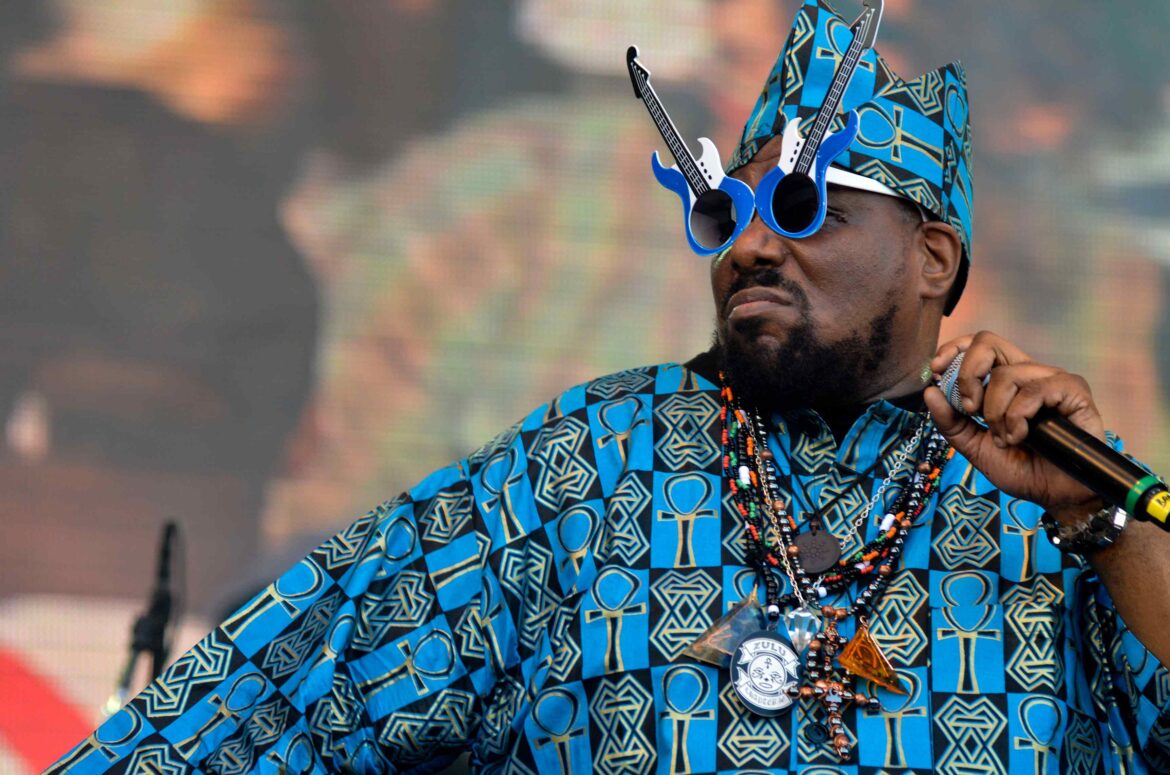
Afrika Bambaataa stands as one of the most influential and complex figures in the history of hip-hop. As a disc jockey, producer, cultural organizer, and visionary, he played a foundational role in shaping the sound, philosophy, and global reach of hip-hop culture.
Emerging from the Bronx during the turbulent 1970s, Afrika Bambaataa helped transform a localized youth movement into an international cultural force. His innovations in breakbeat DJing, his genre-defining electro productions in the 1980s, and his leadership in founding the Universal Zulu Nation collectively cemented his place as a pioneer. Yet, his legacy is also complicated by later controversies, prompting ongoing debates about how to assess his contributions.
Early Life and Influences
Afrika Bambaataa was born Lance Taylor on April 17, 1957 and raised in the Bronx, New York City, during a period marked by economic decline, urban decay, and rising gang activity. Like many young people in the Bronx at the time, he was exposed to gang culture early on. He became a member, and eventually a warlord, of the Black Spades, one of the most prominent gangs in the area. However, a pivotal turning point came when he won an essay contest that awarded him a trip to Africa. This journey had a profound impact on his worldview, inspiring him to move away from gang life and toward cultural and artistic expression.
Taking the name “Afrika Bambaataa Aasim,” he drew inspiration from African history and identity, particularly the legacy of Zulu leader Shaka Zulu. This name change symbolized a broader transformation, from gang leadership to cultural leadership. Bambaataa began organizing parties and gatherings that emphasized music, unity, and creative expression rather than violence.
The Birth of Hip-Hop and Breakbeat DJing
Afrika Bambaataa emerged alongside other early hip-hop pioneers such as DJ Kool Herc and Grandmaster Flash. Together, these figures developed the core techniques and aesthetics of hip-hop DJing. One of Bambaataa’s most important contributions was his role in refining and popularizing breakbeat DJing.
Breakbeat DJing involves isolating and extending the “break” sections of songs, the rhythmic, percussion-heavy segments that dancers favored. By using two turntables and a mixer, DJs could loop these breaks, creating continuous rhythms for dancers, particularly breakdancers (b-boys and b-girls). While DJ Kool Herc is often credited with originating this technique, Bambaataa expanded its musical range by incorporating a wider variety of records, including funk, soul, rock, and even electronic music.
Bambaataa’s eclectic taste became a hallmark of his style. He was known for playing tracks from artists as diverse as James Brown, Kraftwerk, and The Rolling Stones. This openness to different genres helped shape hip-hop’s inclusive and innovative spirit.
The Universal Zulu Nation
One of Afrika Bambaataas most enduring contributions was the founding of the Universal Zulu Nation in the mid-1970s. Originally conceived as an alternative to gang culture, the organization sought to channel the energy of urban youth into creative and constructive pursuits. The Zulu Nation promoted the core elements of hip-hop, DJing, MCing (rapping), breakdancing, and graffiti art, while also emphasizing knowledge, unity, and social awareness.
Under Bambaataa’s leadership, the Zulu Nation grew into an international movement, with chapters around the world. It provided a sense of identity and community for young people, particularly those in marginalized urban environments. The organization also played a key role in spreading hip-hop culture beyond the Bronx, helping it gain recognition in other parts of the United States and eventually across the globe.
Electro and “Planet Rock”
While Afrika Bambaataa’s early influence was rooted in live DJing, his impact expanded dramatically in the early 1980s with his foray into recorded music. His most famous track, “Planet Rock” (1982), is widely regarded as one of the most important songs in hip-hop history. Produced in collaboration with Arthur Baker and featuring elements inspired by Kraftwerk, the track fused hip-hop rhythms with electronic music.
.
“Planet Rock” was groundbreaking for several reasons. It introduced the use of drum machines and synthesizers into hip-hop, paving the way for the electro genre. Its futuristic sound contrasted sharply with the funk and soul influences that had dominated earlier hip-hop recordings. The track’s use of samples from Kraftwerk’s “Trans-Europe Express” and “Numbers” demonstrated the potential of blending electronic music with hip-hop aesthetics.
The success of “Planet Rock” led to a series of influential electro tracks, including “Looking for the Perfect Beat” and “Renegades of Funk.” These songs not only expanded the sonic possibilities of hip-hop but also influenced other genres, including techno, house, and electronic dance music (EDM). Artists and producers around the world drew inspiration from Bambaataa’s work, making him a key figure in the global evolution of electronic music.
Cultural Impact and Global Influence
Afrika Bambaataa’s influence extended far beyond music. He was instrumental in defining hip-hop as a culture rather than just a musical genre. By emphasizing its four core elements and promoting values such as peace, unity, and respect, he helped shape the identity of hip-hop as a social movement.
During the 1980s, Bambaataa and the Zulu Nation played a crucial role in bringing hip-hop to international audiences. Tours and performances in Europe and other regions introduced new audiences to the culture, sparking local scenes that would eventually develop their own unique styles. In this sense, Bambaataa was not just a pioneer but also an ambassador of hip-hop.
His influence can be seen in the work of countless artists who followed, from early hip-hop acts to modern electronic producers. The integration of electronic sounds into hip-hop, a now-common practice, can be traced directly back to his innovations.
Later Career and Recognition
Throughout the 1990s and 2000s, Afrika Bambaataa remained an active figure in music and culture, though his prominence declined as new generations of artists emerged. He continued to perform as a DJ, release music, and promote the Zulu Nation’s activities. He was frequently recognized as a founding father of hip-hop, receiving numerous awards and honors for his contributions.
Documentaries, books, and academic studies often highlighted his role in the development of hip-hop culture. He was celebrated not only for his musical innovations but also for his efforts to promote social change and community building.
Controversies and Reassessment
In the later years of his life, Afrika Bambaataa’s legacy became the subject of significant controversy. Allegations of misconduct emerged, leading to widespread criticism and a reevaluation of his role within the hip-hop community. These allegations had a profound impact on his reputation and on the organizations he was associated with, including the Zulu Nation.
As a result, discussions about Bambaataa often involve a complex balancing of his contributions and the serious accusations against him. For some, his pioneering work in music and culture remains foundational and deserving of recognition. For others, the controversies overshadow his achievements, raising important questions about accountability and legacy in the arts.
Death and Legacy
Afrika Bambaataa died of prostate cancer on April 9, 2026, just days before his 69th birthday.
Bambaataa’s contributions to hip-hop are undeniable. As one of the originators of breakbeat DJing, he helped lay the technical foundation for the genre. Through his electro productions, he expanded its sonic boundaries and influenced the development of electronic music worldwide. And through the Zulu Nation, he played a key role in defining hip-hop as a cultural movement rooted in creativity and community.
Conclusion
Afrika Bambaataa’s life and career encapsulate both the transformative power of music and the complexities of cultural legacy. From his early days in the Bronx to his global influence as a pioneer of hip-hop and electro, he helped shape one of the most important cultural movements of the late 20th century. His innovations in DJing, his genre-defining tracks, and his efforts to build community through the Zulu Nation left an indelible mark on music and culture.
At the same time, the controversies surrounding his later years serve as a reminder that legacies are rarely simple. They invite ongoing reflection and dialogue about the relationship between artistic achievement and personal conduct.
Ultimately, Afrika Bambaataa remains a figure of immense historical significance, one whose contributions continue to resonate, even as his legacy is critically examined.
Check out Afrika Bambaataa on Amazon by clicking here.
If you found this interesting please share it with your friends and family, and check out some of our other articles on Musicians who Died in 2026.
.
