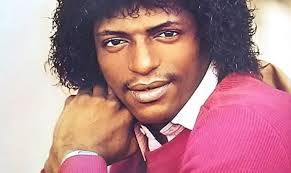
Carl Carlton was an American R&B, soul, and funk singer-songwriter whose music helped define multiple eras of popular Black music.
With a career that spanned more than five decades, Carlton bridged classic soul, disco, funk, and contemporary R&B, earning his place as one of the genre’s most recognizable and enduring voices.
He is best remembered for two landmark hits: the timeless love anthem “Everlasting Love” and the swaggering funk classic “She’s a Bad Mama Jama (She’s Built, She’s Stacked)”—songs that not only dominated the charts but became cultural touchstones.
Though his career included periods of immense commercial success and quieter years away from the spotlight, Carlton’s influence never waned. His recordings continue to be sampled, covered, and celebrated, and his voice—smooth, confident, and unmistakably soulful—remains instantly recognizable to generations of listeners.
Early Life and Musical Roots
Carl Carlton was born on May 21, 1953, in Detroit, Michigan, a city whose musical legacy profoundly shaped his artistic development. Growing up in the heart of Motown’s golden age, Carlton was immersed in an environment where music was not only entertainment but a vital form of expression and community identity. The sounds of Marvin Gaye, The Temptations, Stevie Wonder, Smokey Robinson, and countless gospel choirs filled the airwaves and neighborhood streets.
From an early age, Carlton demonstrated a natural gift for singing. Raised in a household that appreciated music, he was particularly influenced by gospel traditions, which instilled in him a sense of emotional honesty and vocal discipline. Church performances gave him his first experience in front of an audience, helping him develop the expressive phrasing and heartfelt delivery that would later define his recordings.
By his teenage years, Carl Carlton was actively pursuing music as a career. Detroit’s vibrant live scene provided opportunities to perform, network, and hone his craft, and it was not long before industry professionals began to take notice of his talent.
Early Career and Breakthrough with “Everlasting Love”
Carl Carlton’s first major break came while he was still a teenager. In 1969, at just 15 years old, he recorded “Everlasting Love,” a song written by Buzz Cason and Mac Gayden. Released on the Back Beat Records label, the track quickly gained traction, becoming a national hit and launching Carlton into the spotlight almost overnight.
“Everlasting Love” reached the Top 10 on the Billboard Hot 100 and became a defining soul record of the late 1960s. The song’s success was remarkable not only because of Carlton’s age, but because of the emotional maturity he conveyed. His warm, earnest vocal performance captured the innocence and optimism of young love, resonating deeply with listeners across racial and generational lines.
The song’s legacy would grow far beyond its initial chart run. Over the decades, “Everlasting Love” has been covered by dozens of artists, including Gloria Estefan, U2, and Howard Jones, and it has appeared in films, television shows, and commercials worldwide. Carlton’s original version remains the definitive rendition, often cited as one of the greatest soul recordings of its era.
Despite the massive success of the single, the transition from teen star to long-term recording artist proved challenging—a common story in the music industry. As musical tastes shifted in the early 1970s, Carlton faced the difficult task of redefining himself artistically while navigating changing label relationships.
Navigating the 1970s: Reinvention and Growth
The 1970s were a period of transition for Carl Carlton. While he continued to record and perform, he did not immediately replicate the commercial success of “Everlasting Love.” Rather than fading away, Carlton used this time to develop a more mature musical identity, absorbing influences from funk, disco, and socially conscious soul.
He worked with various producers and labels, refining his songwriting skills and expanding his vocal range. The era allowed him to explore themes of adulthood, confidence, and urban life—subjects that would later play a central role in his biggest comeback.
This period also strengthened Carl Carlton’s resilience. Instead of being defined solely by early success, he learned to adapt, survive industry shifts, and stay creatively engaged. That perseverance would pay off spectacularly at the dawn of the 1980s.
The Funk Explosion: “She’s a Bad Mama Jama”
In 1981, Carl Carlton achieved one of the most iconic comebacks in R&B history with the release of “She’s a Bad Mama Jama (She’s Built, She’s Stacked).” Produced by the legendary Leon Sylvers III and released on 20th Century-Fox Records, the song was a bold, funky celebration of confidence, style, and unapologetic swagger.
Driven by a propulsive bassline, sharp horn stabs, and a groove tailor-made for the dance floor, “Bad Mama Jama” became an instant hit. It climbed into the Top 5 on the Billboard R&B chart and crossed over to the pop charts, cementing Carl Carlton’s status as a major star of the early 1980s.
Carlton’s vocal performance was confident and playful, perfectly matching the song’s infectious energy. The track became a staple at clubs, parties, and radio stations and remains one of the most recognizable funk songs ever recorded.
More than a hit, “She’s a Bad Mama Jama” became a cultural phrase, entering the lexicon as shorthand for admiration and style. The song has been widely sampled and referenced by hip-hop and R&B artists, underscoring its lasting influence.
Albums and Continued Success
Following the success of “She’s a Bad Mama Jama,” Carlton released the album Carl Carlton (1981), which showcased his versatility as both a singer and songwriter. The record balanced danceable funk with smooth ballads, reflecting the evolving sound of contemporary R&B.
Throughout the early 1980s, Carl Carlton remained a consistent presence on the R&B charts. Songs like “Sexy Lady,” “I Can Feel It,” and “Why Don’t They Leave Us Alone” further demonstrated his ability to adapt to modern production while retaining the soulful core that defined his artistry.
Though he never again reached the same commercial heights as his two signature hits, Carlton enjoyed a steady career marked by touring, recording, and collaboration. His music appealed to fans who appreciated authenticity and groove over fleeting trends.
Influence and Legacy in Black Music
Carl Carlton’s influence extends far beyond chart positions. His work represents a throughline connecting classic soul to modern R&B and funk. As one of the few artists to score major hits in both the late 1960s and early 1980s, he embodied adaptability and artistic longevity.
His recordings have been sampled by hip-hop artists, featured in films and television, and rediscovered by new audiences through streaming platforms. “She’s a Bad Mama Jama,” in particular, has become a favorite source for DJs and producers seeking classic funk energy.
Carlton also influenced later generations of singers through his vocal approach—smooth yet assertive, emotive without excess. He demonstrated that charisma and sincerity could coexist, and that groove was as much about feeling as technique.
Later Years and Continued Appreciation
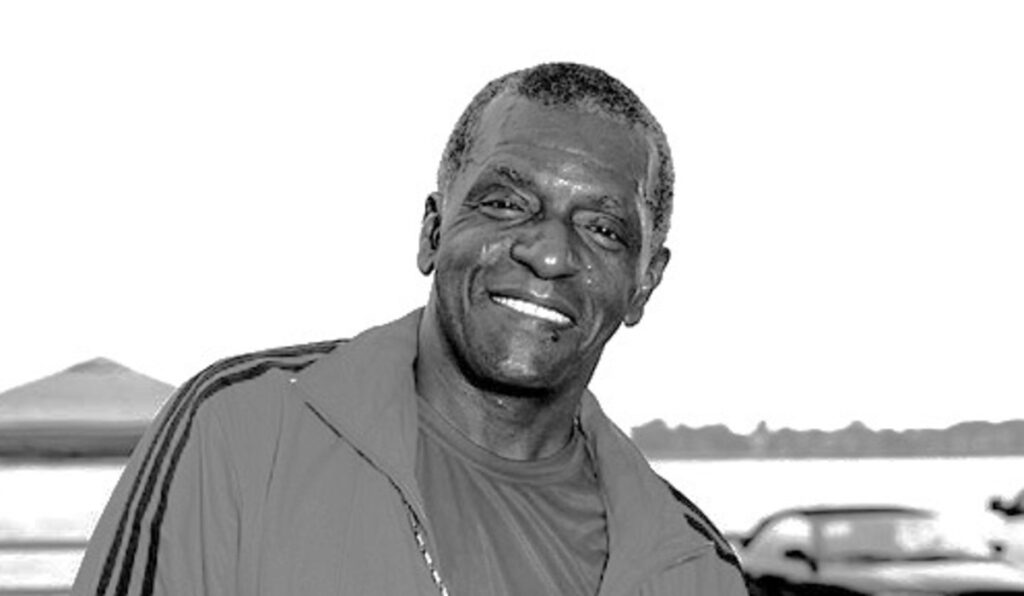
In his later years, Carl Carlton stepped back from the intense demands of the music industry but remained connected to his fans. He appeared at old-school R&B festivals, retrospectives, and special performances celebrating classic soul and funk. These appearances reaffirmed his enduring popularity and the deep affection audiences held for his music.
Carlton was often praised for his humility and professionalism. Despite having recorded two of the most recognizable songs in American music, he rarely sought the spotlight for its own sake. Instead, he allowed his work to speak for itself.
As nostalgia for classic R&B and funk grew in the 2000s and 2010s, Carlton’s catalog experienced renewed interest. Younger listeners discovered his music through samples, playlists, and viral moments, ensuring that his voice reached well beyond the era in which it was first recorded.
Carl Carlton died on December 14, 2025, at the age of 72.
Conclusion
Carl Carlton’s career is a testament to resilience, reinvention, and the timeless power of soul and funk. From teenage stardom to triumphant comeback, he navigated the unpredictable tides of the music industry with grace and determination. His songs captured joy, desire, confidence, and devotion—emotions that remain universal across generations.
“Everlasting Love” and “She’s a Bad Mama Jama” are more than hits; they are cultural landmarks that continue to resonate decades after their release. Through them, Carlton secured his place in the pantheon of American R&B artists.
Though he is no longer with us, Carl Carlton’s music lives on—played at weddings, danced to at parties, sampled in new songs, and cherished by fans old and new. His voice, groove, and spirit remain everlasting.
Check out Carl Carlton on Amazon by clicking here.
If you found this interesting please share it with your friends and family, and check out some of our other articles on Musicians who Died in 2025.
.
