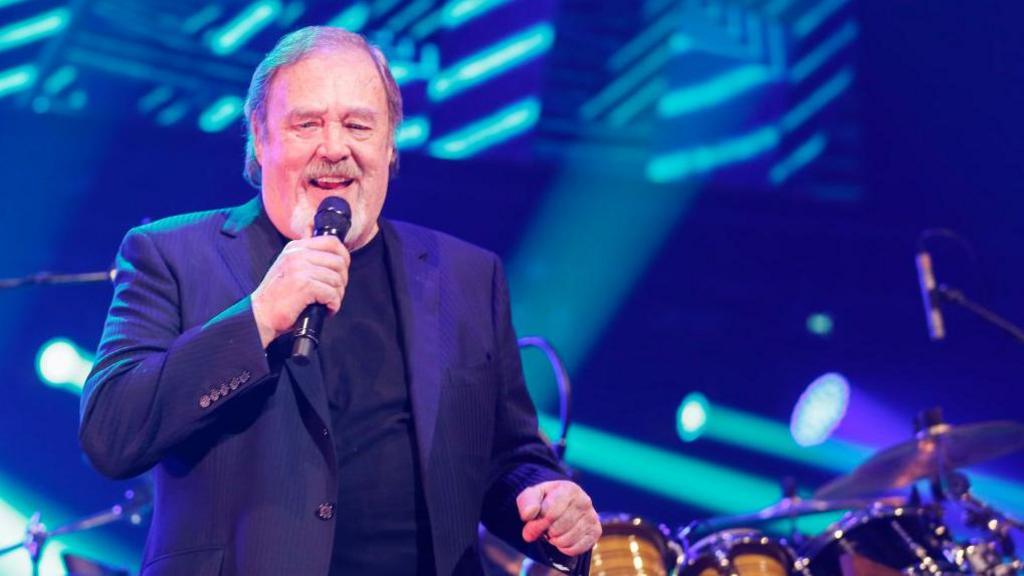
David Clayton-Thomas was a British-born Canadian musician, singer, songwriter, and record producer whose unmistakable voice helped define the jazz-rock movement of the late 1960s and early 1970s, best known as the lead vocalist of Blood, Sweat & Tears.
He transformed the group into one of the biggest-selling acts of its era, delivering timeless classics including “Spinning Wheel,” “You’ve Made Me So Very Happy,” “And When I Die,” and “Lucretia MacEvil.”
With a gritty, soulful tenor that effortlessly bridged rhythm and blues, jazz, rock, and pop, Clayton-Thomas became one of the defining voices of his generation. His contributions earned multiple Grammy Awards, induction into the Canadian Music Hall of Fame, a star on Canada’s Walk of Fame, and recognition as one of Canada’s greatest musical exports.
Early Life
David Clayton-Thomas was born David Henry Thomsett on September 13, 1941, in Kingston upon Thames, Surrey, England, during the height of the Second World War. His father was a Canadian soldier while his mother was English. Shortly after the war ended, the family emigrated to Toronto, Ontario, where David spent most of his childhood.
His upbringing was anything but stable. He experienced an abusive home life, frequently ran away, and by the age of fourteen was living on the streets of Toronto. Throughout his teenage years he found himself in juvenile detention centers and reformatories.
Ironically, it was during one of these incarcerations that music entered his life forever. After discovering an abandoned guitar in a jail cell, he taught himself to play. What began as a way to pass the time soon became his escape from poverty, violence, and crime.
Clayton-Thomas later described music as the force that literally saved his life.
Breaking Into Canada’s Music Scene
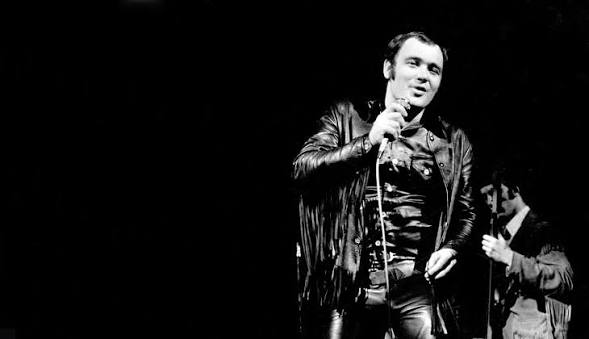
By the early 1960s, David Clayton-Thomas had immersed himself in Toronto’s thriving rhythm and blues scene. His powerful vocals quickly separated him from other performers, and he became frontman for David Clayton-Thomas and the Shays, one of Canada’s most respected R&B groups.
The band enjoyed success throughout Canada with energetic live performances and socially conscious songs such as “Brainwashed,” which became a Canadian hit.
Unlike many rock singers of the era, Clayton-Thomas possessed extraordinary versatility. He could sing blues with emotional grit, jazz with remarkable phrasing, and hard rock with explosive intensity.
His growing reputation eventually attracted attention south of the border.
Joining Blood, Sweat & Tears
In 1968, Judy Collins recommended David Clayton-Thomas to drummer Bobby Colomby after hearing him perform in New York.
At the time, Blood, Sweat & Tears had just lost founding vocalist Al Kooper following the release of the band’s debut album Child Is Father to the Man and Clayton-Thomas proved to be exactly what the band needed.
His soulful delivery gave the sophisticated jazz-rock arrangements a commercial edge that appealed to mainstream audiences while maintaining the musicianship that critics admired. The chemistry was immediate.
.
International Stardom
Released in December 1968, the self-titled album Blood, Sweat & Tears became one of the biggest albums of the era.
It reached No. 1 on the Billboard 200, remained atop the chart for seven weeks, sold millions of copies worldwide, and won Album of the Year at the Grammy Awards, famously defeating Abbey Road by The Beatles. The album produced several enduring classics including Spinning Wheel, You’ve Made Me So Very Happy and And When I Die. Each became Top 10 hits in the United States, while “Spinning Wheel,” written by Clayton-Thomas himself, became one of the defining songs of 1969. Its memorable horn arrangements, philosophical lyrics, and unforgettable chorus helped establish brass-rock as a major commercial genre.
The Voice That Defined Jazz-Rock
David Clayton-Thomas possessed one of rock music’s most recognizable voices. His singing blended Blues emotion, Jazz phrasing, Rock power, Gospel intensity and Soul authenticity. Unlike many vocalists who specialized in one style, Clayton-Thomas could effortlessly move between genres without losing his identity. His vocal performances became central to Blood, Sweat & Tears’ unique sound, where brass arrangements, jazz improvisation, and rock rhythms merged into something entirely new. Many later artists cited him as an influence because of his expressive phrasing and commanding stage presence.
Continued Success
The band’s follow-up albums maintained impressive commercial success.
Blood, Sweat & Tears 3 (1970)
Reached No. 1 on the Billboard charts and produced additional hit singles including Lucretia MacEvil and Hi-De-Ho.
B, S & T 4 (1971)
Although musical tastes were beginning to shift toward harder rock and singer-songwriters, the album still performed strongly and reinforced the band’s reputation as one of America’s premier live acts.
Woodstock
David Clayton-Thomas appeared with Blood, Sweat & Tears at the legendary Woodstock.
Although the band’s performance was not included in the original Woodstock film due to contractual issues, those in attendance witnessed one of the festival’s strongest vocal performances. His commanding voice easily carried across the enormous audience despite difficult conditions.
Touring the World
Blood, Sweat & Tears became one of the world’s premier concert attractions. The band performed at Madison Square Garden, Hollywood Bowl and the Royal Albert Hall.
In 1970, they also became the first American rock band to tour behind the Iron Curtain under a U.S. State Department cultural exchange program. The controversial tour later became the subject of the acclaimed 2023 documentary What the Hell Happened to Blood, Sweat & Tears?
Leaving the Band
Years of relentless touring eventually took their toll and David Clayton-Thomas left Blood, Sweat & Tears in 1972 to pursue a solo career.
Although he recorded several solo albums showcasing his jazz, blues, and R&B influences, none matched the commercial success he enjoyed with the band. Nevertheless, critics consistently praised his vocal performances.
Returning to Blood, Sweat & Tears
David Clayton-Thomas later returned for multiple reunions during the 1970s, 1980s, and beyond.
In many ways he became synonymous with the band’s identity. Even decades after the original lineup changed, audiences continued to associate Blood, Sweat & Tears primarily with his unmistakable voice.
He remained active in touring well into the early 2000s before retiring from full-time performances.
.
Solo Career
Outside the band, David Clayton-Thomas released numerous solo recordings that explored Jazz, Blues, Adult contemporary, Soul and even Big band music. His solo work reflected his deep admiration for classic American vocalists while maintaining his signature emotional delivery. Although commercial radio had changed significantly by the late 1970s, his albums attracted loyal fans worldwide.
Songwriting
Beyond singing, David Clayton-Thomas was a gifted songwriter. His greatest composition remains “Spinning Wheel,” whose timeless message about life’s changing fortunes continues to resonate with audiences decades later. The song has been covered by countless artists across jazz, pop, and soul and in 2007, it was inducted into the Songwriters Hall of Fame’s catalog of celebrated works.
Honors and Recognition
Throughout his career Clayton-Thomas received numerous accolades, including:
- Grammy Awards
- Canadian Music Hall of Fame induction (1996)
- Canada’s Walk of Fame star (2010)
- Juno Award recognition
- Songwriters Hall of Fame honor for “Spinning Wheel”
These achievements reflected both his artistic excellence and his lasting impact on North American music.
Memoir
In 2010 he published his autobiography, Blood, Sweat and Tears, recounting his extraordinary journey from homelessness and juvenile detention to international stardom.
The memoir offered an unflinching look at addiction, poverty, redemption, and the healing power of music and became an inspiring story of perseverance that resonated with readers far beyond the music world.
Philanthropy
David Clayton-Thomas devoted significant time to charitable causes, particularly organizations helping disadvantaged youth. Having personally experienced homelessness and incarceration as a teenager, he understood the importance of offering young people hope and opportunity. He also supported Canadian arts organizations and music education initiatives throughout his later years.
Personal Life
Despite decades in the spotlight, David Clayton-Thomas remained relatively private and lived in Canada for much of his later life while continuing to perform internationally.
Friends frequently described him as humorous, generous, fiercely independent, and deeply grateful for the second chance music had given him.
Death
David Clayton-Thomas died peacefully on June 24, 2026, at St. Michael’s Hospital in Toronto, Ontario, at the age of 84. His death was confirmed by his publicist. No specific cause of death was publicly disclosed.
Legacy
David Clayton-Thomas leaves behind one of the most distinctive legacies in rock history.
He was more than simply the lead singer of Blood, Sweat & Tears. He became the voice that transformed the band into an international phenomenon, helping popularize jazz-rock and proving sophisticated musicianship could coexist with mainstream commercial success.
Songs like “Spinning Wheel,” “You’ve Made Me So Very Happy,” “And When I Die,” and “Lucretia MacEvil” remain staples of classic rock radio more than half a century after their release.
His remarkable life, from a homeless teenager in Toronto to a Grammy-winning international superstar, stands as one of music’s most inspiring stories of resilience and redemption.
For millions of listeners, David Clayton-Thomas will always be remembered as the unforgettable voice behind one of rock’s most innovative and enduring bands, whose music continues to inspire new generations long after his final performance.
Check out David Clayton-Thomas on Amazon by clicking here.
Check out Blood, Sweat & Tears on Amazon by clicking here.
If you found this interesting please share it with your friends and family, and check out some of our other articles on Musicians who Died in 2026
.
