
Bryan Loren was affectionately nicknamed “The Wiz,” was an American singer-songwriter, multi-instrumentalist, and record producer whose career bridged the worlds of R&B, soul, pop, and studio innovation.
Though he never became a mainstream household name, Loren was deeply respected within the music industry for his technical mastery, musical intelligence, and behind-the-scenes influence. His legacy includes solo hits from the 1980s, iconic pop culture contributions like The Simpsons’ “Do the Bartman,” and collaborations with legends such as Michael Jackson, Whitney Houston, Sting, and Eric Benét.
Early Life and Musical Awakening
Bryan Loren was born Bryan Loren Hudson on May 5, 1966, in Long Island, New York, and later raised in Philadelphia, a city with one of the richest musical traditions in America. Immersed in the sound of Philly soul, funk, jazz, and R&B, Loren developed an early fascination with rhythm and harmony. He began playing drums as a child, then quickly expanded to keyboards, guitar, bass, and synthesizers. His curiosity was matched by discipline; he practiced constantly, teaching himself not only how to play but how to understand music structurally.
By the time he was a teenager, Loren was already composing and recording his own material. At just 15 years old, he became a professional session musician at Philadelphia’s Alpha International Studios. There he worked with established artists and learned the technical side of recording: microphone placement, signal flow, mixing techniques, and studio arrangement. These experiences shaped him into not just a performer, but a producer-composer hybrid, someone equally comfortable on stage or behind the console.
Early Career and the Origin of “The Wiz”
Bryan Loren’s exceptional skill with synthesizers and keyboards earned him the nickname “The Wiz.” The moniker reflected both his speed and precision as a musician and his inventive studio techniques. In the early 1980s, he joined Fat Larry’s Band, a prominent R&B/funk group, contributing synthesizer work to their albums Breakin’ Out and Straight From the Heart. Although he was too young to tour extensively with the band, his work on these records helped establish his reputation within professional music circles.
He also recorded with the group Cashmere, adding background vocals and contributing to songwriting. By this point, Loren was already known as someone who could do everything: play multiple instruments, write melodies, program drum machines, and engineer recordings. His peers saw him as a prodigy — someone ahead of his time in both musicality and technology.
Solo Breakthrough: Bryan Loren (1984)
In 1984, at just 17 years old, Bryan Loren released his self-titled debut album, Bryan Loren. The album was remarkable not just for its sound, but for its creation: Loren wrote every song, played every instrument, arranged the tracks, and oversaw production and engineering himself. In an era when most artists relied heavily on producers and session players, Loren’s complete control over the process set him apart.
The album produced two charting singles:
- “Lollipop Luv”, which reached No. 23 on the Hot R&B/Hip-Hop Songs chart
- “Do You Really Love Me?”, which peaked at No. 64 and stayed on the chart for 17 weeks
These songs showcased Loren’s blend of smooth vocals, funk-inspired grooves, and melodic sophistication. His voice carried emotional warmth, while his arrangements reflected deep musical knowledge. Though he didn’t become a pop superstar, his debut made him a respected figure within R&B circles and earned him a loyal fanbase.
Musical Style and Artistic Identity
Bryan Loren’s sound was rooted in classic soul and funk, but he embraced emerging technology. He blended analog warmth with digital precision, layering synthesizers, drum machines, and live instruments into cohesive, emotionally expressive tracks. His songwriting emphasized melody, groove, and introspection, often exploring themes of love, vulnerability, and longing.
What made Loren distinctive was his total musical autonomy. He wasn’t just writing songs, he was designing entire sonic environments. His tracks felt personal yet polished, intimate yet expansive. He moved fluidly between styles: romantic R&B, funk, pop, and experimental studio compositions.
Music from the New World and Artistic Evolution
In 1992, Loren released his second solo album, Music from the New World. Though primarily distributed in Japan, the album marked a creative leap forward. The production was more layered, more ambitious, and more emotionally complex. It reflected Loren’s growth as both a songwriter and producer.
One of the album’s most notable tracks, “To Satisfy You,” featured background vocals from Michael Jackson, signaling the depth of their professional relationship. The record blended soulful ballads with futuristic production, showing Loren’s ability to balance human emotion with technological innovation.
.
Collaboration with Michael Jackson
Bryan Loren’s collaboration with Michael Jackson became one of the most talked-about aspects of his career. Their creative partnership began in the late 1980s and continued through the Dangerous era. Loren wrote and produced multiple tracks with Jackson, including:
- “Work That Body”
- “Serious Effect”
- “She Got It”
- “Superfly Sister”
Some of these tracks were unreleased or circulated as demos, but they became legendary among collectors and fans.
In 1990, Loren wrote and produced “Do the Bartman” for The Simpsons Sing the Blues. Though officially credited to Bart Simpson, the track bore all of Loren’s musical fingerprints: funk rhythms, pop hooks, and high-energy production. Michael Jackson contributed background vocals and creative input, though he remained uncredited due to contractual obligations.
“Do the Bartman” became a global hit, topping charts in several countries and embedding Loren’s work into pop culture history. It introduced his music to millions who may not have known his name but recognized his sound.
Work with Whitney Houston, Sting, and Eric Benét
Beyond Jackson, Loren worked with an impressive list of artists across genres. He wrote and produced for Whitney Houston, contributing songs that matched her vocal power with emotional subtlety. He also collaborated with Sting, bringing R&B and soul influences into more sophisticated pop-rock arrangements.
With Eric Benét, Loren helped shape the sound of modern soul in the 1990s and early 2000s. His work with Benét emphasized intimacy, groove, and lyrical depth. He also contributed to projects by artists such as Vesta Williams, Shanice, and Barry White, showing his versatility across generations and styles.
Studio Innovator and Technical Visionary
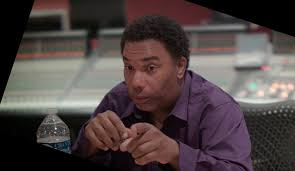
Bryan Loren wasn’t just a songwriter, he was a studio architect. He was known for building entire tracks from the ground up: programming drums, layering keyboards, recording vocals, mixing, and mastering. His command of early digital recording tools and synthesizers placed him among the pioneers of modern R&B production.
In 1990, he received a Sony Innovator’s Award in Sound, recognizing his technical and creative contributions to the industry. He was admired not only for what he created, but for how he created it.
Later Years and Personal Life
In his later years, Loren continued working quietly in the industry, mentoring younger artists and refining his craft. Though he stepped away from the spotlight, his influence remained present in the music he helped shape. Friends described him as thoughtful, private, deeply spiritual, and endlessly curious about sound.
He never stopped experimenting. Even decades into his career, he remained excited by new tools, new ideas, and new ways to express emotion through music.
Passing and Legacy
Bryan Loren Hudson died in January 2026 at the age of 59.
While he may not have been a chart-dominating celebrity, Loren’s legacy lies in impact, not fame. He helped shape the sound of R&B and pop at a crucial moment in its evolution. His fingerprints are on songs that defined an era. His influence lives on in the artists he inspired and the recordings he left behind.
Conclusion
Bryan Loren, The Wiz, was a rare figure: a complete musician, a visionary producer, and a creative force who moved effortlessly between artistry and technology. From teenage prodigy to respected industry veteran, his journey was defined by curiosity, discipline, and soul.
He gave the world joyful anthems, intimate ballads, and unforgettable grooves. He helped shape the sound of icons, and he did it all with humility and quiet brilliance.
Bryan Loren Hudson didn’t chase fame. He chased sound, and in doing so, he left a legacy that continues to resonate. 🎶
Check out Bryan Loren on Amazon by clicking here.
If you found this interesting please share it with your friends and family, and check out some of our other articles on Musicians who Died in 2026.
.
