
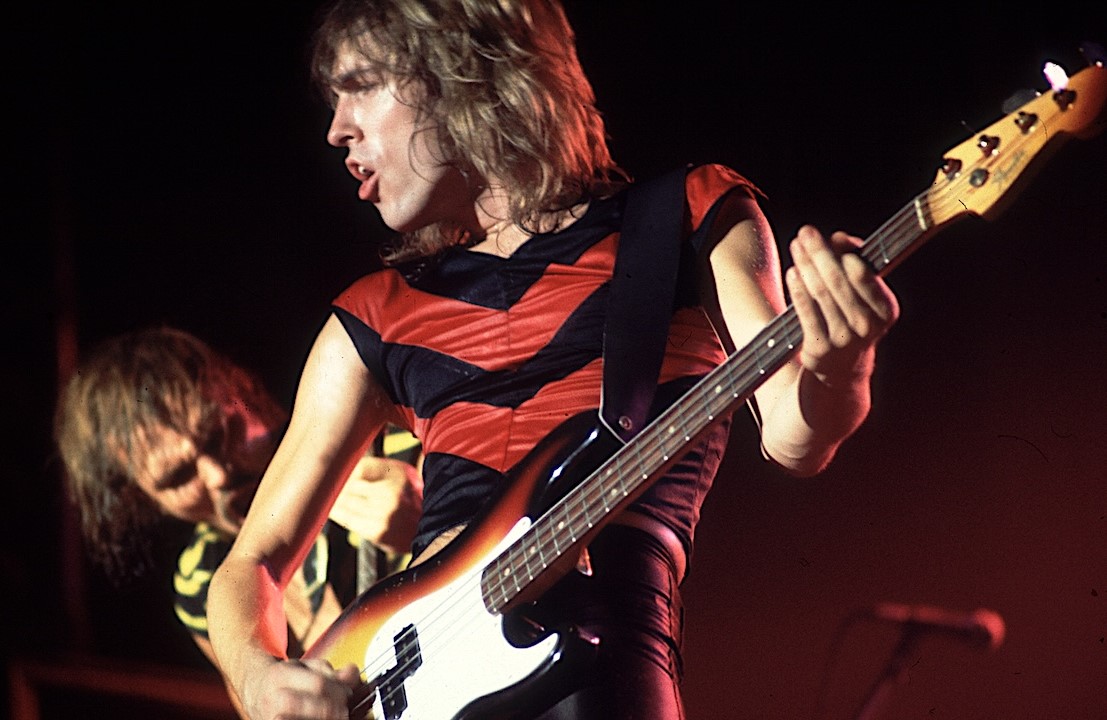
Francis Buchholz stands as one of the defining bassists of classic hard rock, a musician whose grooves powered some of the most recognizable anthems of the late 20th century. Best known as the long-serving bass guitarist of the German rock band Scorpions from 1973 until 1992, Buchholz helped shape a sound that crossed borders, languages, and political divisions.
His work on international hits such as “Rock You Like a Hurricane” and “Wind of Change” remains iconic, not only for its musical impact but also for how it captured the spirit of an era. After leaving Scorpions, Buchholz continued to contribute to rock music through projects such as Michael Schenker’s Temple of Rock and other collaborations, proving that his creative drive extended far beyond his most famous chapter.
Early Life and Musical Roots
Francis Buchholz was born on February 19, 1954, in Germany, at a time when the country was still rebuilding socially and culturally after World War II. Like many young musicians of his generation, he grew up immersed in the wave of British and American rock and blues that swept across Europe in the 1960s. Bands such as The Beatles, The Rolling Stones, Led Zeppelin, and Deep Purple influenced not just his musical taste but also his sense of what a rock band could be: loud, emotional, and capable of speaking to young people across national boundaries.
Buchholz gravitated toward the bass guitar early on. The instrument appealed to him because it sat at the heart of a band’s sound, connecting rhythm and harmony. He was drawn to players who didn’t just keep time but added personality and drive to the music. This approach would later define his own style—firmly rooted in groove, supportive of melody, and powerful enough to stand up to high-gain guitars and pounding drums.
Joining Scorpions: A Defining Moment
In 1973, while still a teenager, Francis Buchholz joined Scorpions, a band that had already formed in the late 1960s and was starting to build a reputation in Germany’s growing hard rock scene. At the time, Scorpions were evolving rapidly, experimenting with lineups and sounds as they searched for their identity. Buchholz’s arrival marked the beginning of a long and crucial chapter for both him and the band.
He became part of the classic Scorpions rhythm section, locking in with drummer Rudy Lenners initially and later with Herman Rarebell. Together, they gave the band a tight, muscular foundation that allowed guitarists Rudolf Schenker and Matthias Jabs, and singer Klaus Meine, to soar. Buchholz’s bass tone, clear, punchy, and authoritative, helped Scorpions stand out in a crowded field of European hard rock acts.
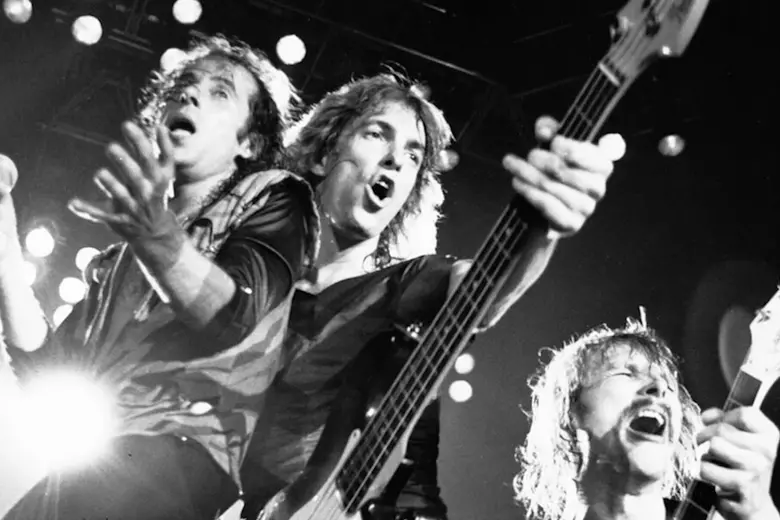
Building the Scorpions Sound
Throughout the 1970s, Scorpions refined their blend of heavy riffs, melodic choruses, and emotional ballads. Buchholz played on albums that gradually expanded the band’s reach beyond Germany into the rest of Europe, Japan, and eventually the United States. Records like Fly to the Rainbow, In Trance, Virgin Killer, and Taken by Force showed a band growing in confidence and ambition.
Francis Buchholz’s playing during this era demonstrated his versatility. He could drive fast, aggressive songs with a steady, almost relentless pulse, but he could also provide subtle support on slower, moodier tracks. His bass lines were rarely flashy for their own sake; instead, they were carefully constructed to serve the song. This sense of musical responsibility made him an ideal partner for Scorpions’ songwriting team.
International Breakthrough
The late 1970s and early 1980s marked Scorpions’ breakthrough into the global rock market. Albums like Lovedrive (1979), Animal Magnetism (1980), and Blackout (1982) turned the band into international stars. Buchholz’s bass became a central part of that sound, thick enough to anchor the music, yet agile enough to follow the twists and turns of the guitar riffs.
On Blackout, for example, his playing supported both the hard-edged rockers and the emotional ballads that the band was becoming famous for. His sense of dynamics, knowing when to push and when to hold back, helped make Scorpions’ songs feel dramatic and memorable.
“Rock You Like a Hurricane” and Iconic Riffs
Perhaps the most famous example of Francis Buchholz’s contribution to rock history is “Rock You Like a Hurricane,” from the 1984 album Love at First Sting. The song’s opening riff is instantly recognizable, and while the guitars take center stage, the bass underneath is essential. Buchholz’s line reinforces the riff while adding weight and momentum, turning the song into an unstoppable force.
The track became a worldwide hit and a staple of rock radio, sports events, and film soundtracks. Buchholz’s bass work on the song exemplified his ability to make something simple feel massive. He understood that in a song like this, power came from unity—every instrument pushing in the same direction.
“Wind of Change” and the Sound of an Era
If “Rock You Like a Hurricane” represented Scorpions’ hard-rock muscle, “Wind of Change” showed their emotional and cultural reach. Released in 1990 on the album Crazy World, the song became an anthem of political and social transformation, closely associated with the fall of the Berlin Wall and the end of the Cold War.
Francis Buchholz’s bass on “Wind of Change” is understated but deeply effective. Rather than dominating the mix, it supports the song’s gentle build, allowing the melody and lyrics to shine. His playing reflects maturity and restraint, showing that he understood when the music called for subtlety rather than force. The result was a song that resonated far beyond the rock audience, becoming a symbol of hope and unity.
Life on the Road and Band Dynamics
Touring with Scorpions in their peak years meant traveling the world and playing to massive audiences. Buchholz experienced the intense demands of international rock stardom—long tours, constant travel, and the pressure to deliver night after night. By all accounts, he was a steady presence in the band, known for his professionalism and reliability.
However, like many long-running bands, Scorpions also faced internal tensions. Creative differences and the strains of success eventually led to changes in the lineup. In 1992, after nearly two decades with the band, Francis Buchholz left Scorpions. His departure marked the end of what many fans consider the band’s classic era.
Life After Scorpions
Leaving a band as famous as Scorpions could have meant fading into the background, but Buchholz continued to pursue music with the same dedication. He explored different projects and collaborations, remaining active in the rock scene. One of his most notable later affiliations was with Michael Schenker’s Temple of Rock.
Michael Schenker, himself a former Scorpions guitarist, formed Temple of Rock as a vehicle for classic hard rock rooted in melody and power. Buchholz’s involvement brought a sense of continuity and history to the project. His bass playing in Temple of Rock maintained the qualities fans loved, a solid groove, strong tone, and a deep understanding of song structure, while fitting into a modern context.
Style and Musical Identity
Francis Buchholz was not a bassist who sought the spotlight for technical showmanship. Instead, his style was built around feel, timing, and tone. He understood that the bass guitar’s primary role was to serve the song, and he did so with quiet confidence. His lines were memorable not because they were complicated, but because they were perfectly placed.
His tone was typically warm yet powerful, cutting through the mix without overwhelming it. He favored clarity and punch, allowing each note to be heard even in Scorpions’ dense, guitar-driven sound. This approach influenced many aspiring bassists who learned that supporting the band could be just as impactful as leading it.
Influence and Legacy
Francis Buchholz’s influence can be felt in the work of countless rock and metal bassists who grew up listening to Scorpions. His ability to balance heaviness with melody showed that the bass could be both muscular and musical. Songs like “The Zoo,” “Still Loving You,” “Big City Nights,” “Rock You Like a Hurricane,” and “Wind of Change” continue to be studied and admired by musicians around the world.
Beyond specific bass lines, Buchholz’s legacy lies in how he helped Scorpions become a truly global band. Along with his bandmates, he proved that a group from Germany could compete with—and stand alongside—the biggest acts from the UK and the US. In doing so, he helped open doors for many European rock bands that followed.
Personal Character and Reputation
Those who worked with Francis Buchholz often described him as grounded and dedicated. He was not known for rock-star excess but for his commitment to the craft of music. His long tenure with Scorpions spoke to his loyalty and work ethic, and even after leaving the band, he remained connected to the wider rock community.
He carried himself as a musician first and foremost, someone who respected the audience and the art form. This attitude earned him respect not just from fans but also from fellow musicians who valued his reliability and professionalism.
Final Years and Passing
Francis Buchholz died on January 22, 2026, at the age of 71. His death marked the loss of a musician whose work had soundtracked the lives of millions. For fans of Scorpions and classic rock, his passing was a reminder of the era he helped define, a time when rock music felt both powerful and hopeful, capable of filling stadiums and touching hearts.
Remembering Francis Buchholz
Looking back on Francis Buchholz’s life and career, it is clear that his contributions went far beyond simply playing bass in a famous band. He was a key architect of the Scorpions’ sound, a musician whose sense of groove and melody helped create songs that remain timeless. From the driving force of “Rock You Like a Hurricane” to the gentle strength of “Wind of Change,” his bass lines are woven into the fabric of rock history.
In a world where musical trends come and go, Francis Buchholz’s work stands as a testament to the power of consistency, craftsmanship, and heart. He showed that you don’t need to be the loudest voice to be heard, sometimes, the deepest impact comes from the steady pulse beneath the music. Francis Buchholz will be remembered not only as a great bassist, but as a musician who helped give rock some of its most enduring anthems.
Check out Francis Buchholz on Amazon by clicking here.
If you found this interesting please share it with your friends and family, and check out some of our other articles on Musicians who Died in 2026.
.
