Chris Rea: The Quiet Power of Roads, Rain and the Blues
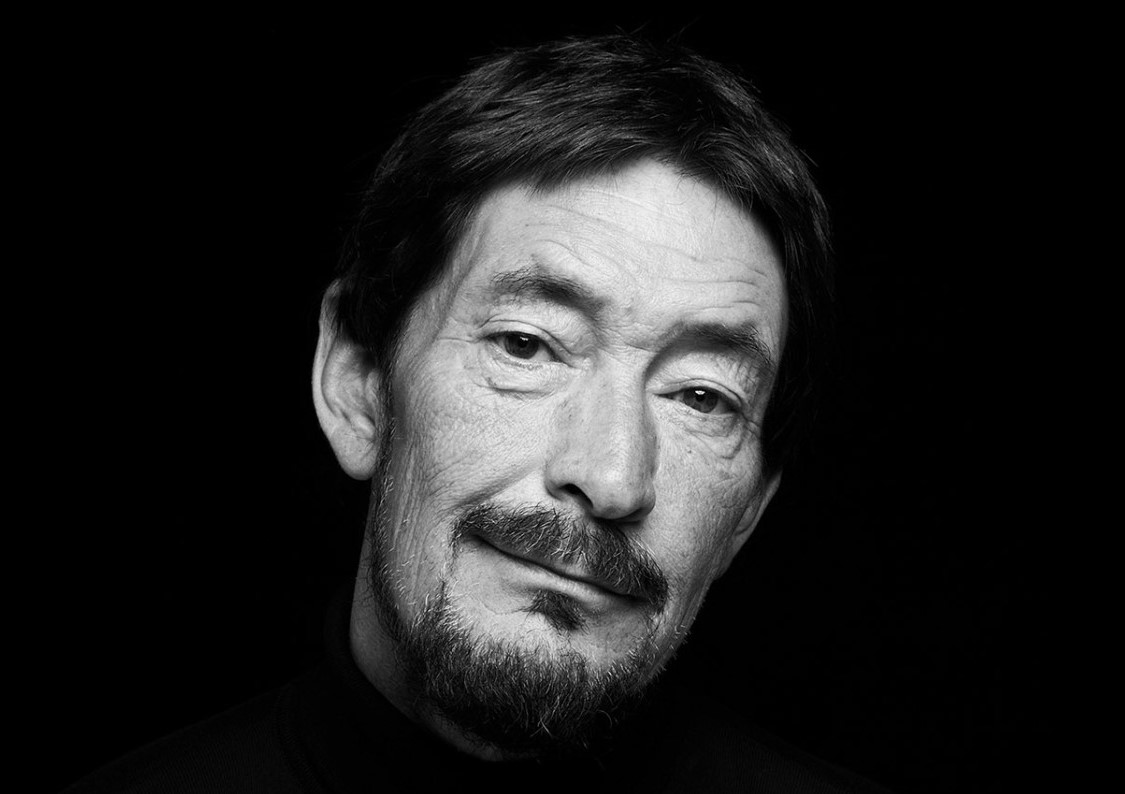
Chris Rea was one of Britain’s most distinctive and understated musical voices with a career that spanned more than five decades, and a body of work that resisted trends, shunned spectacle, and prioritised atmosphere, emotional honesty, and craft.
Chris Rea was best known for songs such as Driving Home for Christmas, The Road to Hell, On the Beach, and Josephine, he blended rock, blues, jazz, and folk influences into a sound that was immediately recognisable and deeply personal. His gravelly voice and lyrical slide guitar became signatures of a musician who valued mood over momentum and reflection over excess.
Rea’s death marked the passing of an artist who never sought to be fashionable but instead built a loyal international following through persistence, authenticity, and emotional restraint. In an era often defined by noise and immediacy, his music offered space, distance, and time.
Early Life and Background
Chris Rea was born Christopher Anton Rea on March 4, 1951 in Middlesbrough, in the North Riding of Yorkshire. He grew up in a working-class household shaped by his father’s Italian heritage. Camillo Rea had emigrated from Italy and ran a well-known ice cream café, which became a local meeting point and a formative environment for his son. This blend of northern English grit and Mediterranean warmth would later echo through Rea’s music, where toughness and tenderness often coexist.
Unlike many musicians, Rea did not grow up immersed in playing instruments. Music entered his life gradually, and it was not until his late teens that he began to take the guitar seriously. This relatively late start proved decisive. Lacking formal training and technical fluency, Rea developed a highly individual approach to the instrument. Rather than speed or complexity, he focused on tone, space, and feeling. These limitations helped shape the slide guitar style that would become central to his identity.
Early influences included jazz and blues artists such as Miles Davis, as well as rock musicians who emphasised mood and texture over virtuosity. From the outset, Rea was drawn to music that suggested landscapes and inner states rather than overt drama.
Early Career and Commercial Tensions
Chris Rea’s recording career began in the late 1970s, culminating in his debut album Whatever Happened to Benny Santini? in 1978. The album included the hit single Fool (If You Think It’s Over), which achieved significant success, particularly in the United States. The song’s gentle melody and emotional vulnerability introduced Rea to a global audience and briefly positioned him as a mainstream soft-rock singer-songwriter.
.
However, this early success came at a cost. Rea later spoke candidly about his dissatisfaction with the way his image and sound were shaped by record labels during this period. He felt pushed into a polished, radio-friendly mould that did not reflect his musical instincts or personal identity. The tension between commercial expectations and artistic authenticity would become a recurring theme in both his career and his songwriting.
Throughout the early 1980s, Rea continued to release albums while gradually regaining creative control. Records such as Chris Rea (1982) and Water Sign (1983) hinted at a darker, more atmospheric direction. While these albums did not achieve immediate mass success, they laid the groundwork for the sound that would later define him.
Finding His Voice: The Mid-1980s Renaissance
By the mid-1980s, Chris Rea had fully emerged as an artist on his own terms. Albums such as Shamrock Diaries (1985), On the Beach (1986), and Dancing with Strangers (1987) marked a creative breakthrough. These works showcased a restrained, blues-inflected style built on slow tempos, subtle grooves, and evocative imagery.
On the Beach is widely regarded as one of Rea’s finest albums. Its themes of nostalgia, distance, and emotional retreat are conveyed through spacious arrangements and a sense of quiet longing. Rather than chasing chart-friendly hooks, Rea allowed songs to unfold gradually, creating immersive emotional environments. This approach resonated strongly with European audiences and established him as a major artist outside the Anglo-American pop mainstream.
Lyrically, Rea moved toward impressionistic storytelling. Roads, coastlines, rain, and night drives became metaphors for memory, loss, and reflection. Travel emerged as a central motif—not as adventure, but as contemplation. These songs felt lived-in, shaped by observation rather than confession.
Commercial Peak and Cultural Recognition
Chris Rea reached the height of his commercial success between the late 1980s and early 1990s. The release of The Road to Hell in 1989 proved to be a defining moment. The album topped the UK Albums Chart and became his most successful release. Its title track, inspired by Rea’s frustration with urban congestion, social decay, and political inertia, combined social commentary with his trademark atmosphere.
The song’s slow build, ominous mood, and understated anger captured a wider sense of disillusionment at the end of the decade. Rather than protest, Rea offered observation, allowing listeners to draw their own conclusions.
Another song that would define his legacy was Driving Home for Christmas. Written years earlier and released in 1986, it gradually evolved into a seasonal classic. Unlike many festive songs, it avoids celebration and instead focuses on quiet anticipation, exhaustion, and relief. Its enduring popularity reflects Rea’s unique ability to find universal emotion in ordinary moments.
.
The album Auberge (1991) continued his success and revealed another side of his personality: a fascination with cars, speed, and craftsmanship. The title track, written after a near-fatal car crash, explores themes of mortality and illusion, reminding listeners of life’s fragility beneath its surface pleasures.
Illness, Survival, and Independence
In the mid-1990s, Chris Rea’s life and career were dramatically altered by serious illness. Diagnosed with pancreatic cancer, he underwent major surgery that left him physically weakened and forced a long recovery. For many artists, such an experience might have ended a career. For Rea, it marked a turning point.
Following his recovery, he reassessed his relationship with the music industry. He left his record label and embraced full creative independence. This decision freed him from commercial expectations and allowed him to focus entirely on the music he loved most.
From this point onward, Rea’s work became increasingly blues-driven and experimental. He released albums at his own pace, often incorporating instrumental tracks and extended improvisations. Commercial success was no longer the goal; artistic fulfilment was.
The Blue Guitars Era and Late Work
The most ambitious statement of Chris Rea’s later career was the Blue Guitars project, released in 2005. This eleven-CD collection traced the history of blues music across different styles and eras, from Delta blues to jazz-influenced forms. It was not designed for mainstream appeal, but as a personal tribute to the music that had shaped him.
The project demonstrated Rea’s deep knowledge of the blues and his respect for its traditions. It also confirmed his commitment to authenticity and independence. While Blue Guitars divided opinion, it stands as one of the most uncompromising artistic statements by a major British musician.
In the years that followed, Rea continued to release albums and perform selectively, despite ongoing health challenges. His later work maintained the atmospheric qualities that had always defined him, often leaning toward instrumental storytelling and cinematic soundscapes.

.
Musical Style and Artistic Identity
Chris Rea’s musical style was instantly recognisable. His slide guitar tone—warm, mournful, and expressive—became his musical voice. Rather than filling space, he allowed silence and restraint to carry emotional weight. His playing was conversational, often responding to his vocals rather than competing with them.
His voice, roughened by time and illness, conveyed vulnerability and quiet strength. Rather than diminishing his expressiveness, age deepened it. Rea sang like someone reflecting on life rather than performing for an audience.
Lyrically, he avoided grand narratives. His songs are populated by half-seen figures, passing landscapes, and moments suspended in time. Roads symbolise freedom and exile; weather reflects emotional states; distance becomes both refuge and loss.
Legacy and Influence
Chris Rea was never a media-driven star, but his influence is substantial. He sold tens of millions of records worldwide and maintained a devoted following across Europe. His refusal to chase trends, particularly in the later stages of his career, stands as a powerful example of artistic integrity.
Younger musicians have cited his approach to atmosphere, tone, and emotional understatement as influential. His work demonstrates that music does not need to shout to be powerful and that sincerity can outlast fashion.
Conclusion
Chris Rea’s death on December 22, 2025 closed the chapter on a career defined by quiet perseverance and emotional depth. He was an artist who trusted the listener, who believed in mood over momentum and honesty over spectacle. His songs continue to travel down wet motorways, along empty coastlines, through memory and longing.
Check out Chris Rea on Amazon by clicking here.
If you found this interesting please share it with your friends and family, and check out some of our other articles on Musicians who Died in 2025.
.

So sad!